




Japan LNG Stocks Poised to Gain on Middle East Supply Risk
Japanese LNG-related stocks are expected to benefit from rebuilding energy infrastructure in the Persian Gulf and diversifying supply away from the Middle East.
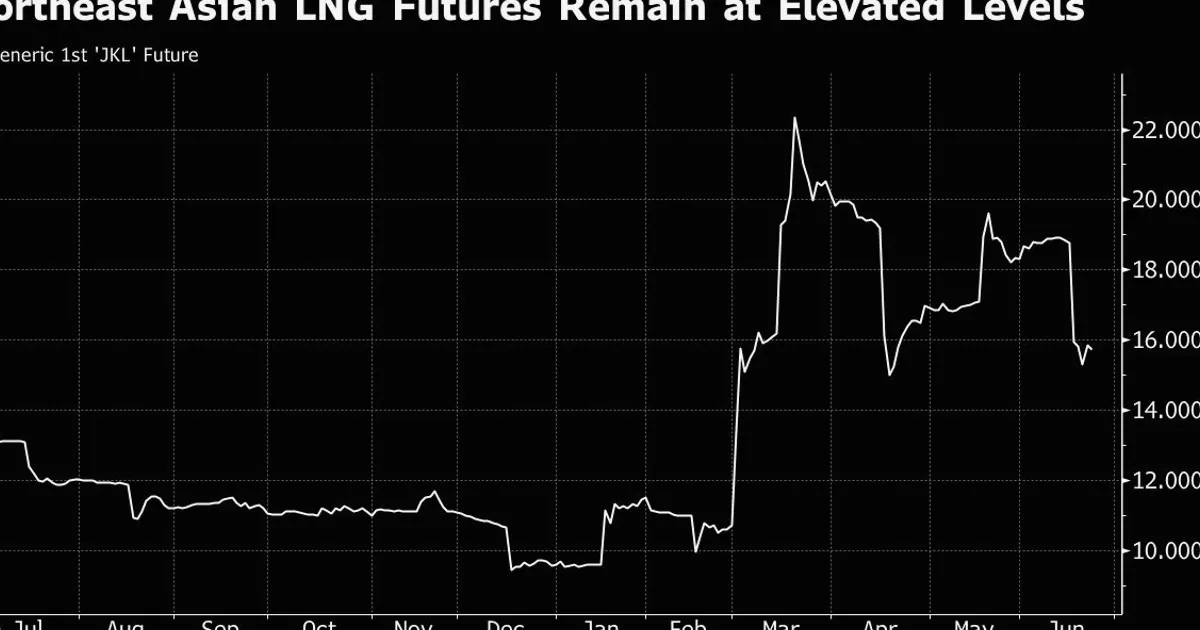
Japanese liquefied natural gas-related stocks stand to benefit from rebuilding war-damaged energy infrastructure in the Persian Gulf and the construction of new facilities elsewhere to diversify away from the Middle East. The potential for increased demand for LNG equipment and services from Japanese firms is driving investor interest in the sector. Companies like Tokyo Gas (9531.T) and Osaka Gas (9532.T) are seen as key beneficiaries, given their expertise in LNG terminals and supply chain management. The rebuilding effort in the Persian Gulf, particularly in areas affected by recent conflicts, could require billions of dollars in investment, with Japanese engineering firms such as JGC Holdings (1963.T) and Chiyoda Corporation (6366.T) likely to secure contracts for liquefaction and regasification plants.
For energy traders, this development highlights the shifting dynamics in global LNG supply chains. As Middle East supply risks persist, countries like Japan are accelerating efforts to secure alternative sources. This could lead to higher LNG prices in the short term due to increased competition for non-Middle Eastern cargoes. The Brent-WTI spread has widened as crude benchmarks reflect regional supply concerns, and LNG prices in Asia have followed suit, with the Japan-Korea Marker (JKM) rising. Traders should monitor NowPrice's real-time fuel quotes for the latest price movements in Asian LNG benchmarks. The contango structure in the forward curve suggests near-term tightness, while backwardation may emerge if new supply from projects in North America and Africa comes online faster than expected. China's marginal demand for LNG, driven by its coal-to-gas switching policies, adds another layer of support to prices.
Looking ahead, the scale of infrastructure rebuilding in the Persian Gulf and new projects in regions like North America and Africa will be key. Japanese companies with expertise in LNG technology and project management are well-positioned to win contracts. Investors should watch for corporate announcements regarding contract wins and joint ventures in the coming months. The US Strategic Petroleum Reserve (SPR) levels remain a factor, as lower crude inventories could indirectly support LNG prices by keeping energy markets tight. Saudi-Russia coordination within OPEC+ will also influence crude prices, which in turn affect LNG contract pricing. Crack-spread economics, particularly the margin between crude and refined products, may shift as new LNG-to-power projects displace oil-fired generation. Overall, the diversification away from Middle East supply is a structural trend that could sustain demand for Japanese LNG services for years.