




JPMorgan Strategist Sees CPI Above 4% as Gasoline Prices Ease
JPMorgan strategist Meera Pandit expects US CPI to exceed 4% in the upcoming report, but notes that declining gasoline prices since late May may ease energy inflation in future readings.
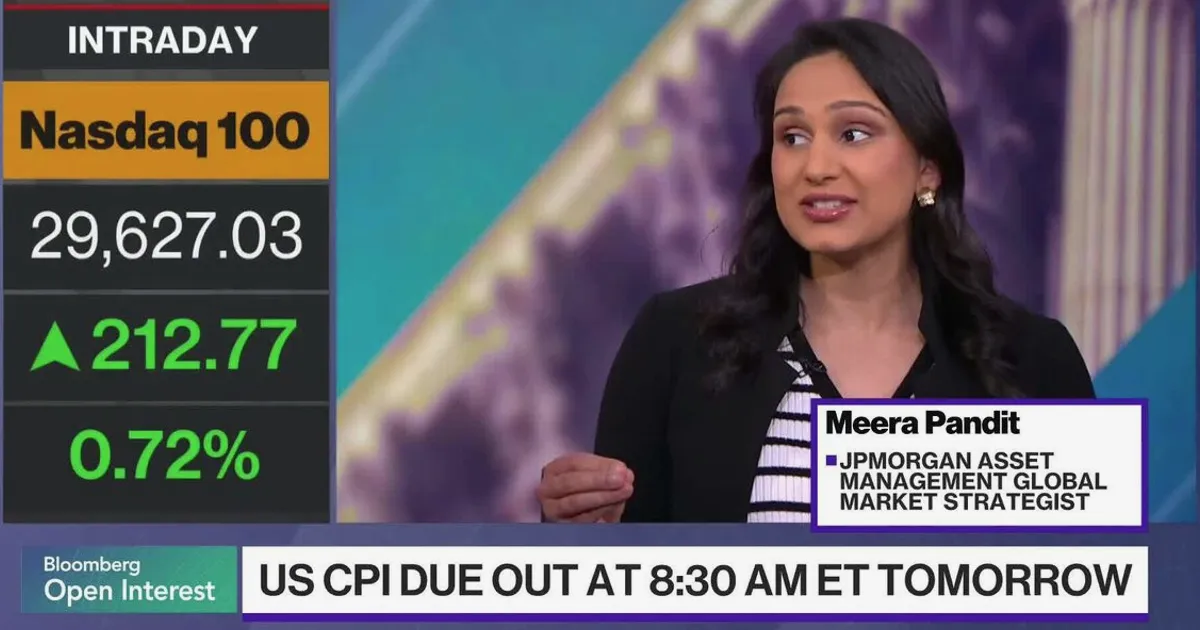
JPMorgan Asset Management strategist Meera Pandit expects the upcoming US Consumer Price Index (CPI) report to show inflation above 4%, but she highlights that declining gasoline prices could reduce energy inflation pressure in subsequent months.
Pandit noted that gasoline prices peaked in late May and have since been trending lower. This moderation in fuel costs is a key factor that could help cool overall inflation readings in the near term. Energy prices have been a major driver of elevated CPI in recent months, so any sustained decline would be significant for the inflation outlook. For oil and gas traders, the easing of gasoline prices may signal softer demand or increased supply, which could weigh on crude oil futures. The Brent-WTI spread has narrowed recently, reflecting shifting global supply dynamics, while US Strategic Petroleum Reserve levels remain near historic lows, limiting the government's ability to intervene. Meanwhile, crack spreads—the margin between crude oil and refined products like gasoline—have compressed, indicating weaker refining margins that could further pressure crude prices. Live fuel prices and charts on NowPrice show how the market is reacting to these shifting dynamics.
Looking ahead, traders will focus on the actual CPI release for confirmation of the trend. If inflation remains sticky above 4%, the Federal Reserve may maintain its hawkish stance, keeping interest rates higher for longer. However, if energy inflation continues to ease, it could open the door for rate cuts later this year. Key data points to watch include weekly EIA inventory reports and OPEC+ production decisions, which will influence supply-side dynamics. OPEC+ spare capacity remains concentrated in Saudi Arabia and the UAE, giving them significant influence over output adjustments, while Russia's compliance with production cuts remains a wildcard. On the demand side, China's marginal consumption growth has slowed, adding further headwinds. Additionally, the futures curve has shifted from backwardation to contango in recent weeks, signaling ample supply and weak near-term demand. These factors will determine whether the easing trend in gasoline prices persists, providing relief to consumers and potentially reshaping the inflation landscape.