




Malik: War Scars Affect US and GCC Relations as Iran Deal Takes Effect
Hasnain Malik of Tellimer discusses how the interim US-Iran peace deal and resumed oil shipments through the Strait of Hormuz impact US-GCC relations amid lingering war scars.
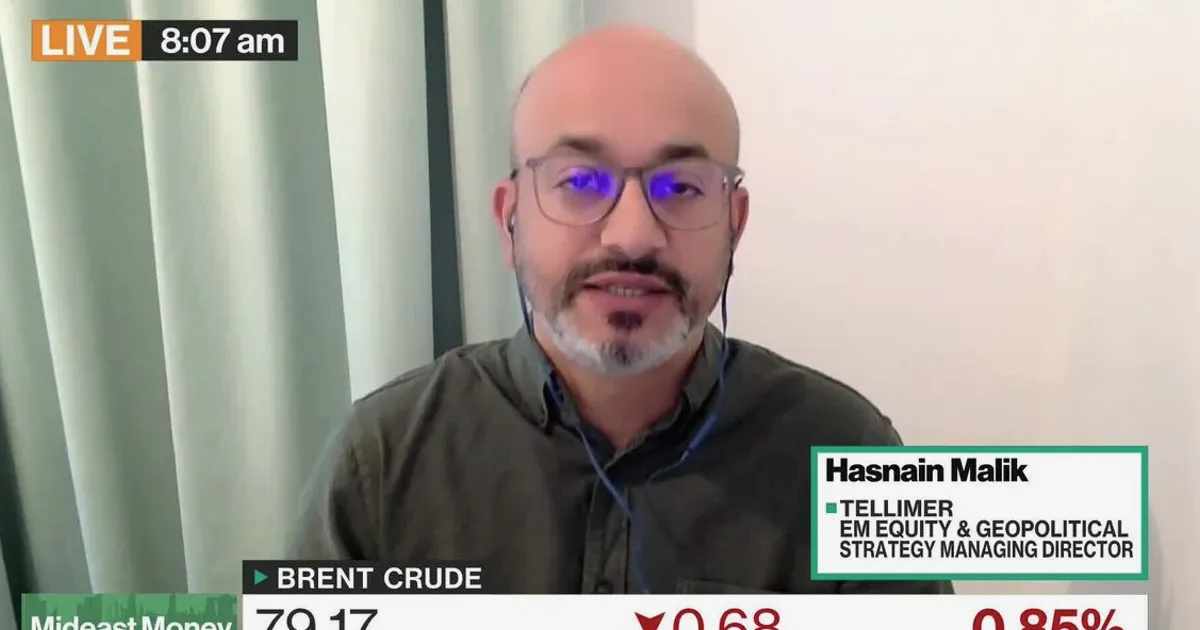
Hasnain Malik, Managing Director for Emerging Market Equity & Geopolitical Strategy at Tellimer, spoke to Bloomberg about the implications of the interim US-Iran peace deal for US-GCC relations. The deal, now in effect, has allowed oil shipments through the Strait of Hormuz to resume in earnest, marking a significant shift in regional dynamics. Malik highlighted that the scars left by recent conflicts continue to influence diplomatic and economic ties between the United States and the Gulf Cooperation Council states.
The resumption of oil flows through the Strait of Hormuz is a critical development for global energy markets. The strait handles about one-fifth of the world's petroleum consumption, and any disruption can cause significant price volatility. With the interim deal providing a 60-day respite, traders are watching for signs of sustained stability. For fuel markets, this reduces the risk premium that had been priced into crude benchmarks. However, lingering distrust between the US and GCC members could complicate longer-term cooperation on energy security and investment. NowPrice users can monitor real-time fuel prices on the platform to gauge market reactions.
Looking ahead, the next 60 days will be crucial. Market participants will focus on whether the truce leads to broader negotiations and a permanent agreement. Key data to watch include OPEC+ production decisions, US crude inventories, and any shifts in GCC foreign policy. The potential for renewed tensions remains, but for now, the market is adjusting to a lower-risk environment. Traders should stay alert to diplomatic developments and their impact on supply routes and regional stability.