




New Zealand Dollar Faces Tough Q3 on Growth Headwinds and Strong USD
The New Zealand dollar is set for a challenging third quarter as a strong US dollar and lingering effects from the Iran war energy shock weigh on the domestic recovery.
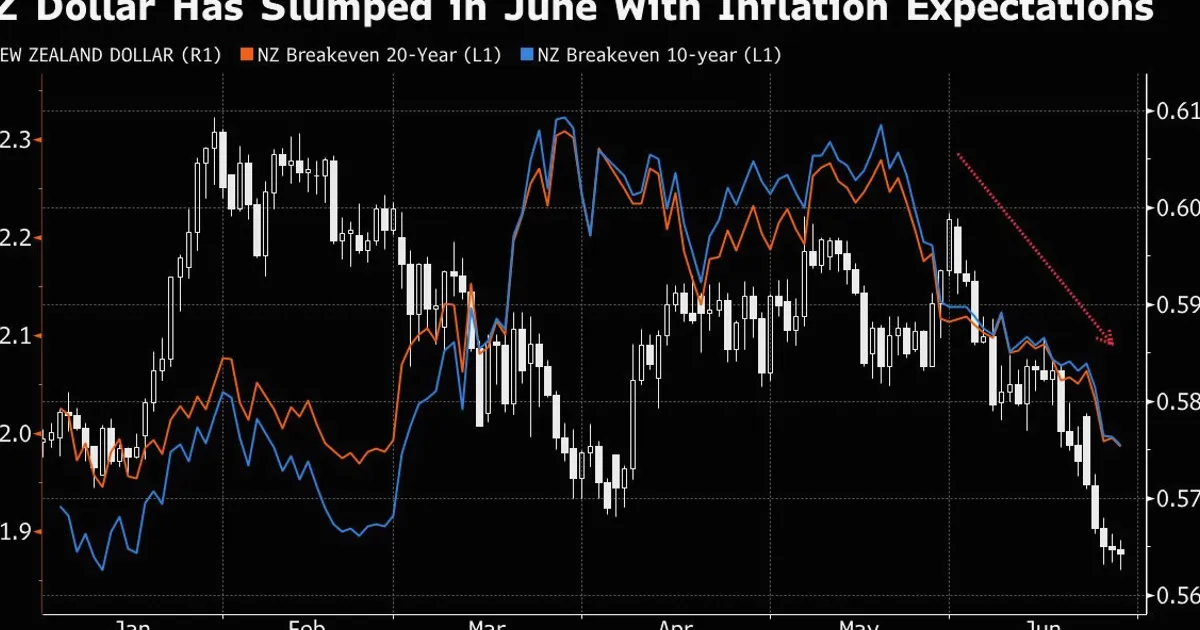
The New Zealand dollar is expected to struggle in the third quarter as a resurgent US dollar and the lingering effects of the Iran war's energy shock weigh on the country's economic recovery. The kiwi dollar has been under pressure from a strengthening greenback, which has been buoyed by expectations of further Federal Reserve rate hikes. Additionally, the energy shock from the Iran conflict has pushed up global oil prices, increasing import costs for New Zealand and dampening domestic demand. The combination of a strong USD and higher energy prices creates headwinds for the NZD, which is sensitive to commodity price fluctuations and global risk sentiment. Traders can check NowPrice's fuel page for current oil price context.
This matters because New Zealand's economy is heavily reliant on commodity exports and imports, making it vulnerable to shifts in global energy markets. The Iran war has disrupted supply chains, with Brent crude spiking above $90 per barrel, widening the Brent-WTI spread as US shale production struggles to fill the gap. OPEC+ spare capacity, primarily held by Saudi Arabia and the UAE, remains a key buffer, but coordinated production cuts with Russia have kept markets tight. Higher oil prices also squeeze crack spreads for refiners, raising fuel costs for consumers and businesses. For New Zealand, this translates into higher import bills, worsening the trade deficit and putting downward pressure on the NZD. The US Strategic Petroleum Reserve (SPR) has been drawn down to multi-decade lows, limiting Washington's ability to tame prices, while China's marginal demand for crude remains tepid amid its economic slowdown, adding further uncertainty.
Looking ahead, traders will focus on New Zealand's upcoming GDP data and dairy auction prices, as well as any signals from the Reserve Bank of New Zealand on monetary policy. The trajectory of the US dollar and developments in the Iran situation will also be key drivers. A sustained break below key support levels could signal further downside for the NZD. Additionally, watch for shifts in the oil futures curve: if backwardation persists, it indicates near-term supply tightness, while a move toward contango could signal easing. The interplay between Saudi-Russia coordination and US shale output will be critical in determining whether energy costs remain elevated, directly impacting New Zealand's economic outlook and the kiwi's performance.