




Oil Demand Growth May Come From Storage Builds, Not Consumption
Countries in Asia Pacific are building new strategic and commercial oil reserves to boost energy security, potentially driving the next wave of oil demand growth.
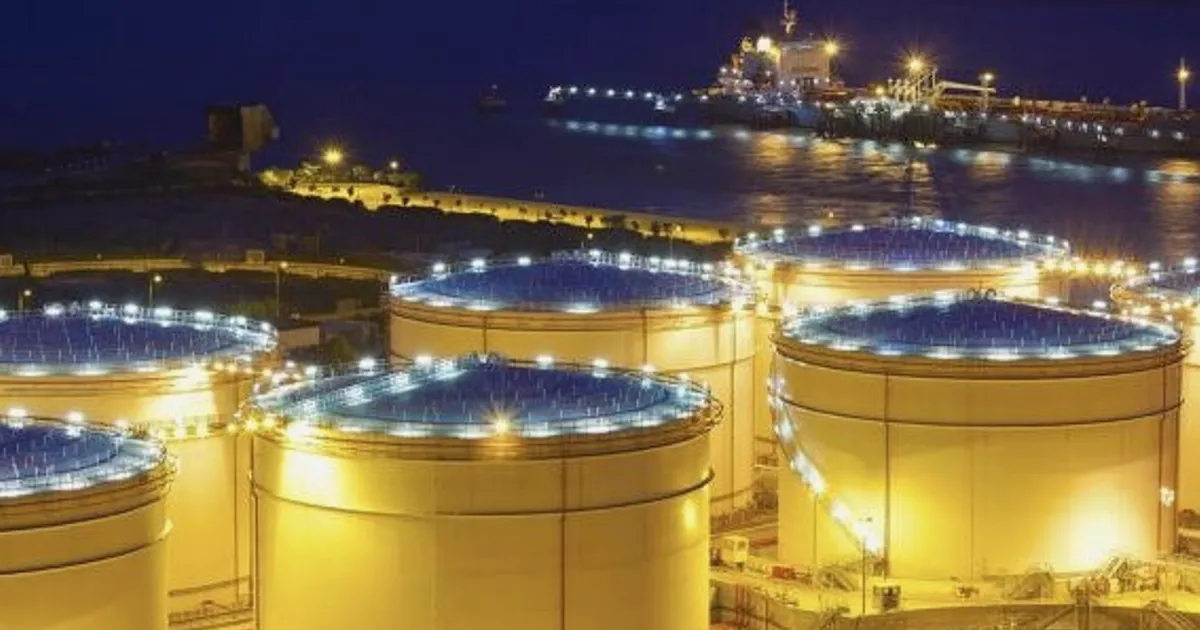
Countries across the Asia Pacific region are accelerating plans to build new strategic and commercial oil reserves, a move that could reshape global oil demand dynamics in the coming years. The push follows heightened awareness of supply risks after the closure of the Strait of Hormuz, which stranded over 10 million barrels per day of crude oil in the Persian Gulf.
This trend represents a structural shift in oil demand that goes beyond traditional consumption patterns. Instead of being driven solely by economic growth or transportation needs, a significant portion of future demand growth may come from filling storage tanks. For oil traders, this means that even if end-user consumption plateaus, overall crude demand could remain supported by inventory builds. The US Strategic Petroleum Reserve has struggled to maintain levels, highlighting the global challenge of balancing supply security with market stability. As more countries expand their reserve capacity, the demand for crude oil to fill these facilities could provide a floor under prices, particularly for medium-sour grades favored by Asian refiners.
Looking ahead, the pace of storage construction and government budget allocations for strategic reserves will be key indicators to watch. If the trend accelerates, it could tighten the global oil market balance and support prices even in the face of weaker economic growth. Traders should monitor inventory data from major consuming nations, as well as any policy announcements regarding reserve targets. The next billion barrels of oil demand may indeed come not from cars or factories, but from the steel tanks of strategic storage facilities.