




UK Grid Operator Issues Rare Summer Power Supply Warning
The UK grid operator issued a rare summer power supply warning for Wednesday evening as a heat wave strains the energy system, raising concerns about gas-fired generation demand.
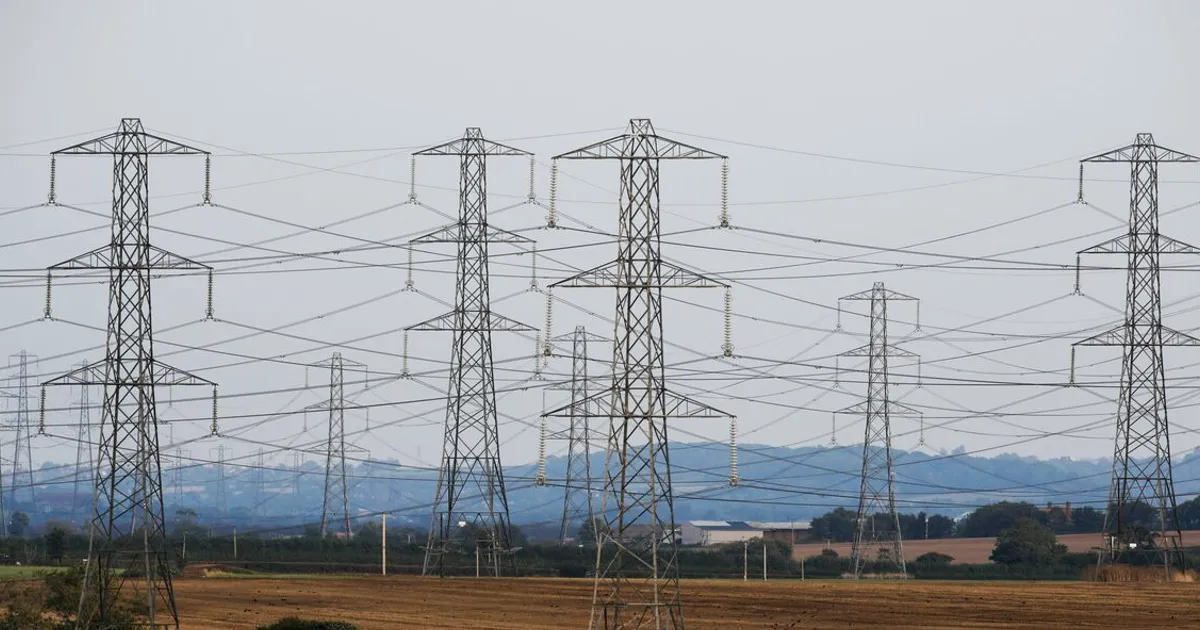
The UK's grid operator issued a rare summer power supply warning for Wednesday evening as soaring temperatures put stress on the energy system. The warning, which applies to the evening peak demand period, signals that electricity margins may be tighter than usual, though it does not necessarily mean blackouts will occur. Heat waves drive up electricity demand for cooling, while simultaneously reducing the efficiency of gas turbines and limiting renewable output if wind speeds drop. The UK's National Grid ESO uses such warnings to encourage generators to bring additional capacity online and to signal to the market that reserve margins are stretched.
For energy traders, the warning highlights the growing role of gas-fired power plants in balancing the grid during extreme weather events. When renewable output from wind and solar falls short during heat waves, gas generation often fills the gap, boosting demand for natural gas and potentially lifting prices in the UK NBP market. This dynamic is reflected in the spark spread—the margin between power prices and gas costs—which can widen sharply when gas plants are called upon. Traders can monitor real-time gas and power price moves on NowPrice's live fuel dashboard to track market reactions. The UK's gas storage levels and LNG import flows also become critical, as any supply disruption could exacerbate price spikes.
Looking ahead, traders should watch for actual temperature data and any further grid updates. If the heat wave persists, additional warnings could tighten the supply-demand balance further, especially if combined with low wind generation. The UK's reliance on gas for peak power remains a key vulnerability during summer heat events, and any sustained price spikes could ripple into broader European gas markets via interconnectors to Belgium, the Netherlands, and France. Traders should also monitor the UK's carbon price, as higher gas burn increases emissions costs. A prolonged heat wave could shift the NBP curve into backwardation if prompt supply fears dominate, while milder forecasts might ease pressure. The interplay between UK gas demand and European LNG competition will be a key theme in the coming days.