




Oil falls below $80 as OECD reserves hit lowest since 1990
Oil prices slipped below $80 per barrel as markets anticipate the reopening of the Strait of Hormuz, while OECD strategic petroleum reserves have dropped to their lowest level since 1990.
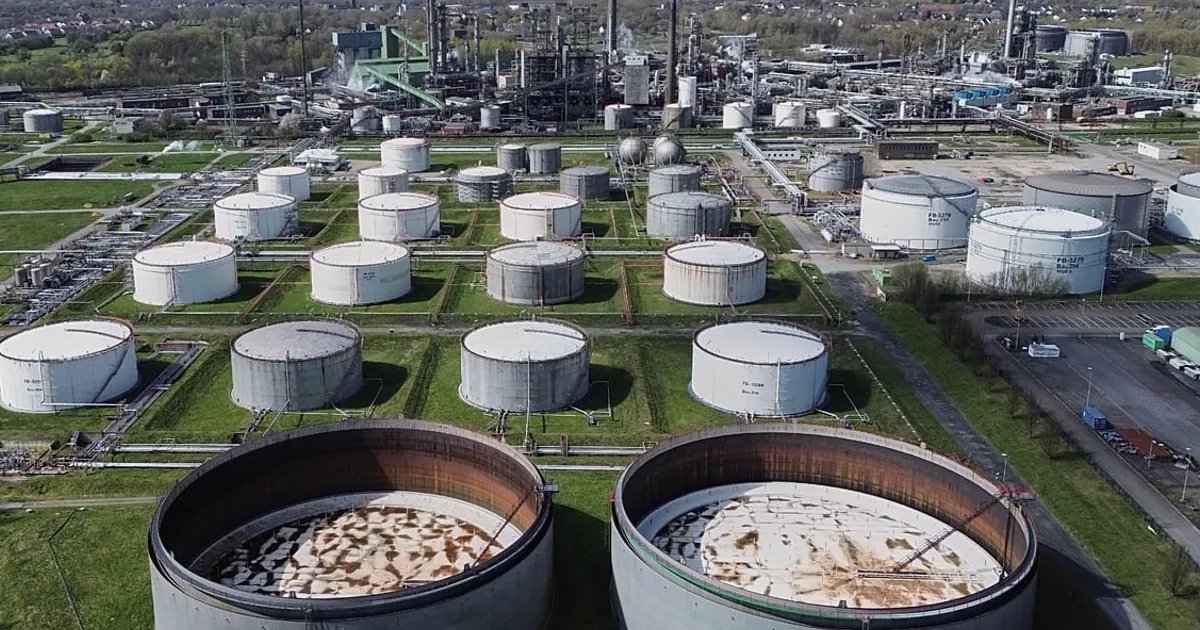
Oil prices fell below $80 per barrel on Tuesday as market confidence grew that the effective closure of the Strait of Hormuz is coming to an end. The decline comes alongside data from the International Energy Agency showing that strategic petroleum reserves in advanced economies have dropped to their lowest level since 1990. The Strait of Hormuz is a critical chokepoint for global oil shipments, with about 20% of the world's petroleum passing through it daily. The easing of tensions there has weighed on crude prices, but the sharp drawdown in OECD stockpiles highlights the fragility of global supply buffers. The US Strategic Petroleum Reserve, for instance, has been drawn down to levels not seen in decades, reducing the cushion against potential disruptions.
The significance of this stockpile depletion cannot be overstated. With reserves at multi-decade lows, any unexpected supply disruption—whether from geopolitical tensions, natural disasters, or production outages—could trigger a rapid price spike. The Brent-WTI spread has widened recently, reflecting regional imbalances, while the crude market has shifted from contango to backwardation, signaling tight near-term supply. Crack spreads, which measure refining margins, remain elevated, indicating strong demand for refined products. OPEC+ spare capacity, largely held by Saudi Arabia and the UAE, is limited and may not be enough to offset a major outage. Meanwhile, China's marginal demand growth continues to support global consumption, and the coordination between Saudi Arabia and Russia within OPEC+ keeps supply restrained. For current fuel pricing context, check NowPrice's fuel page.
Looking ahead, market attention will focus on official confirmation of the Strait of Hormuz reopening and weekly US inventory data from the Energy Information Administration. The IEA's next monthly report will also be scrutinized for updated supply-demand balances and OECD stock trajectories. Any further drawdowns in OECD stocks could keep the market on edge, especially if combined with rising geopolitical risks or stronger-than-expected demand. Traders should monitor the Brent-WTI spread and contango/backwardation signals for storage dynamics, as these indicators will provide early warnings of shifting market conditions.