




Oil Price Surge Countdown Begins as Inventories Near Tank Bottoms
Global oil inventories are rapidly approaching operational minimums, signaling a potential price spike as Strait of Hormuz disruptions threaten supply.
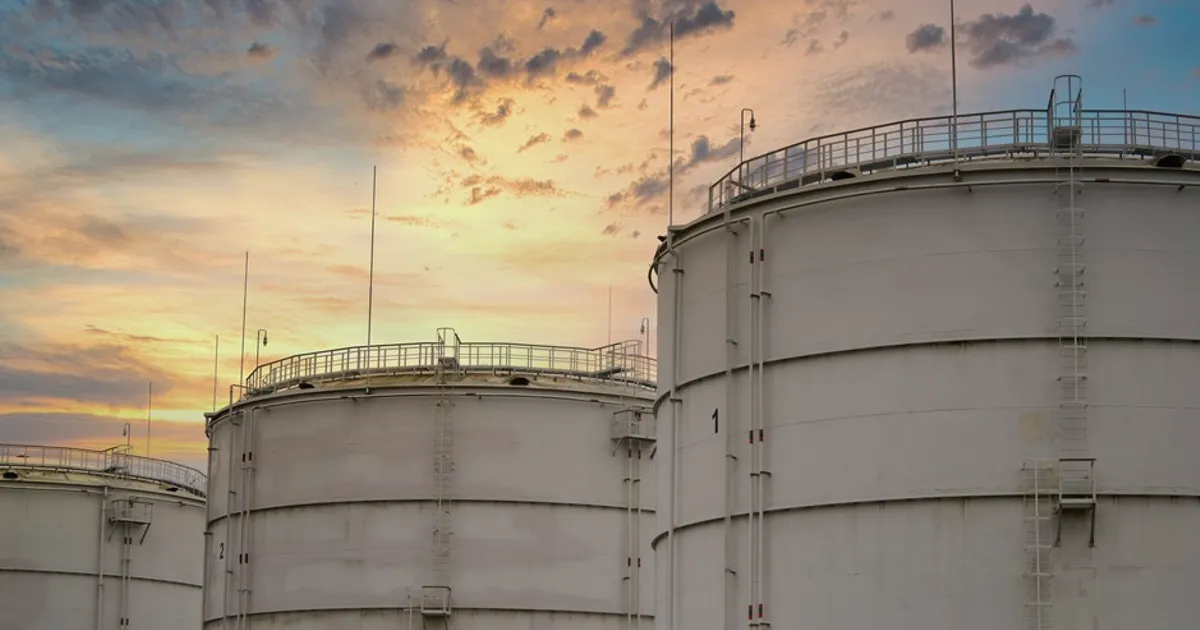
Global oil inventories are rapidly approaching critical low levels known as "operational minimum" or "tank bottoms," a development that historically precedes sharp price increases. The depletion is accelerating due to the closure of the Strait of Hormuz by Iran, which has cut off a significant portion of Persian Gulf oil supplies. This chokepoint handles about 20% of global oil transit, and its closure has removed roughly 17 million barrels per day from the market, pushing storage levels toward the minimum needed to maintain pipeline pressure and refinery operations. The Brent-WTI spread has widened as Brent crude, more exposed to the disruption, outpaces WTI, while US Strategic Petroleum Reserve levels remain near 40-year lows, limiting the government's ability to buffer supply shocks.
For energy traders, the concept of tank bottoms is crucial: it represents the minimum amount of oil needed to keep pipelines and refineries running smoothly. Once inventories fall below this threshold, any additional supply disruption can cause immediate and severe price spikes. The current situation mirrors past episodes where rapid inventory drawdowns led to panic buying and volatility. Crack spreads—the margin between crude oil and refined products like gasoline and diesel—have surged as refineries scramble for feedstock, signaling tight product markets. NowPrice's real-time fuel quotes show that spot prices for crude and refined products are already reacting to the tightening supply picture. Meanwhile, China's marginal demand, which has been a key driver of global oil consumption, remains robust, adding further pressure on dwindling stocks.
Looking ahead, the key question is how long the Strait of Hormuz remains closed and whether OPEC+ can ramp up spare capacity quickly enough to offset the loss. Saudi Arabia and Russia, the de facto leaders of OPEC+, hold most of the world's spare capacity—estimated at 4-5 million barrels per day—but bringing it online takes weeks and may not fully compensate for the disruption. Traders should monitor weekly inventory reports from the U.S. Energy Information Administration and any diplomatic developments regarding Iran. If tank bottoms are breached, a sustained price surge could be inevitable, with the market potentially flipping into backwardation as prompt supply becomes more expensive than future delivery.