




Oil Prices Drop to Pre-War Levels as Hormuz Traffic Resumes
Oil prices have fallen back to pre-war levels as US and Iran negotiations progress and Strait of Hormuz exports recover, easing supply fears.
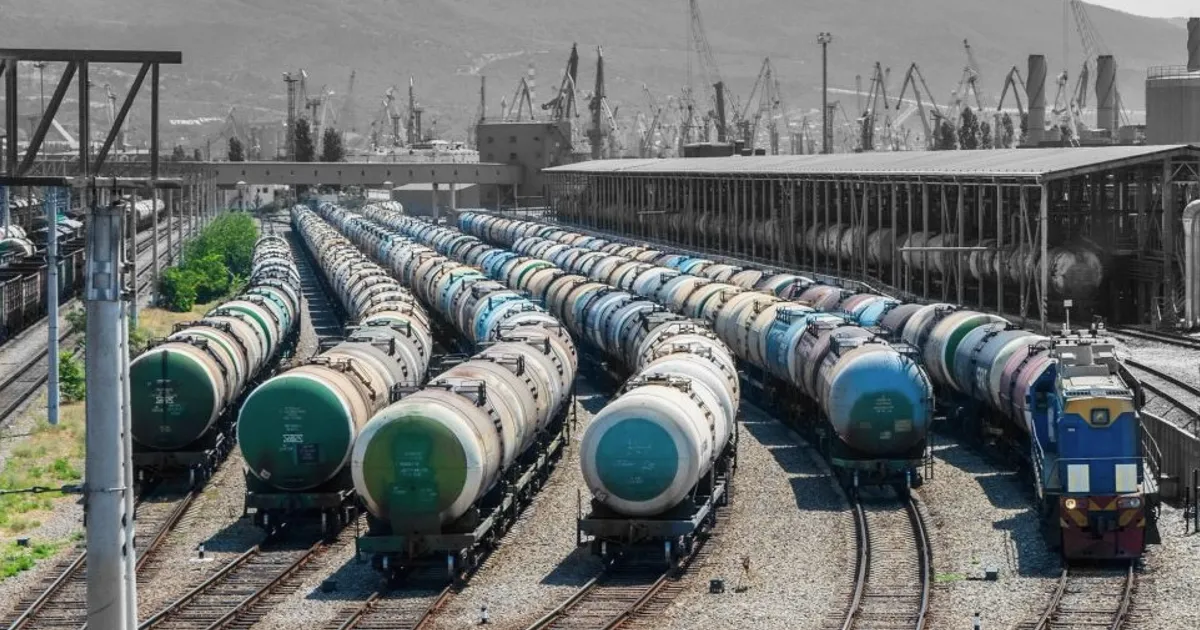
Oil prices have fallen back to pre-war levels as markets bet on a lasting US-Iran agreement and the reopening of the Strait of Hormuz continues to boost supply.
US crude oil and product inventories have declined even as tanker traffic through the Strait of Hormuz begins to normalize. The easing of geopolitical tensions has prompted a sharp sell-off in crude futures, with both Brent and WTI retreating to levels last seen before the conflict escalated. Analysts and investment banks are now reassessing their price forecasts as the risk premium embedded in oil markets evaporates.
For energy traders, the return of Hormuz flows represents a significant shift in supply dynamics. The strait handles about a fifth of global oil consumption, and its partial closure had added a substantial risk premium to crude prices. With traffic resuming, that premium is unwinding rapidly. Traders can track the impact on real-time prices using NowPrice's live fuel dashboard, which monitors Brent, WTI, and key product spreads. The inventory draw in the US suggests that underlying demand remains firm, but the supply-side relief is dominating price action for now.
Looking ahead, the focus will shift to the next round of US-Iran negotiations and whether a formal agreement can be reached. Any setback could quickly reignite the risk premium. Meanwhile, OPEC+ production policy and the pace of Chinese demand recovery will also determine how much further prices can fall. The market is now pricing in a lower geopolitical risk environment, but the speed of the decline leaves it vulnerable to sudden reversals.