




Oil Prices Slide as Market Bets on Hormuz Reopening Despite Slow Tanker Moves
Oil prices fell as traders bet on a reopening of the Strait of Hormuz following the US-Iran ceasefire, even though tanker outflows remain slow and geopolitical risks persist.
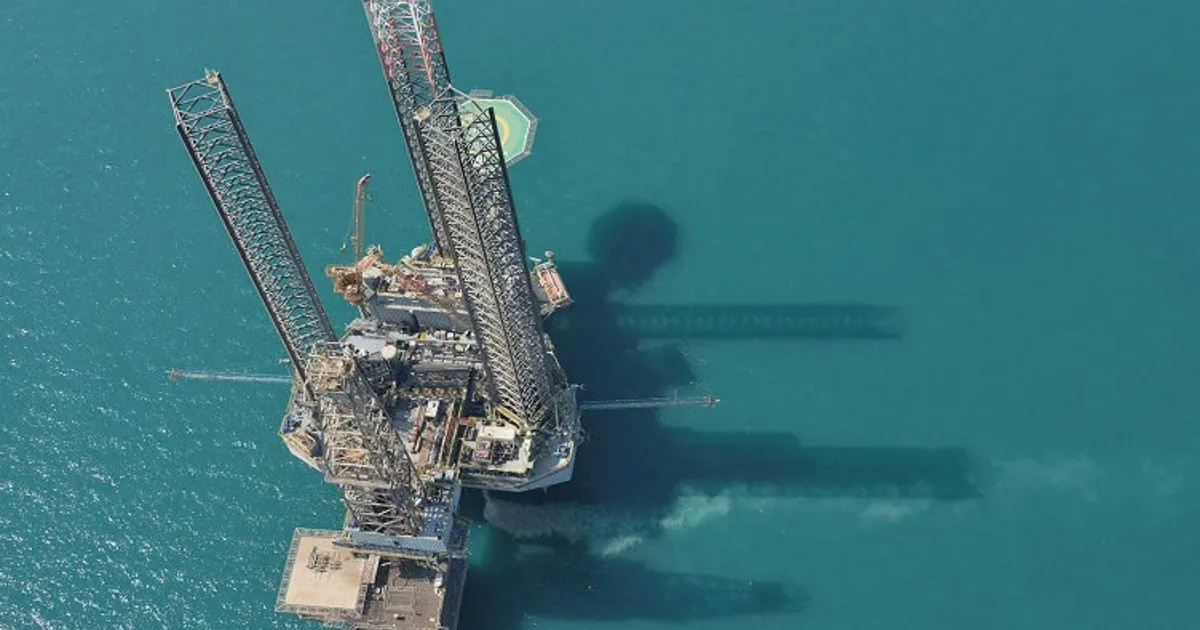
Oil prices tumbled on Friday as market participants increasingly bet on a reopening of the Strait of Hormuz following the U.S.-Iran ceasefire agreement, even though the pace of tanker departures from the Gulf remains surprisingly slow.
The ceasefire, signed earlier this week, includes a 60-day window for the evacuation of crude tankers that have been stuck in the Gulf since March. However, data shows that only a handful of vessels have departed so far, suggesting logistical hurdles or lingering uncertainty. Kuwait announced that its oil output could reach 2 million barrels per day within a week, adding to the supply-side pressure. Meanwhile, the Israel-Lebanon situation remains tense, and Iran has attempted to reassert its authority over Hormuz in the initial days since the ceasefire.
For energy traders, the price action reflects a classic case of markets looking ahead. The expectation of resumed flows through Hormuz—which handles about 20% of global oil transit—has outweighed the current reality of trapped tankers. If the reopening materializes, it could quickly add supply to an already well-supplied market, potentially pushing Brent and WTI lower. Traders can check NowPrice's fuel page for real-time pricing on crude benchmarks and refined products.
Looking ahead, the key catalyst will be the actual pace of tanker clearances over the next week. A faster-than-expected evacuation would confirm the bearish thesis, while any delays or renewed tensions could trigger a sharp reversal. The Israel-Lebanon front and Iran's posturing will also be closely watched. The 60-day window provides a timeline, but the market's reaction suggests that traders are already pricing in a smooth reopening.