




Oil Shock Strains India's Economy and Public Finances
India faces mounting economic strain from the oil supply disruption at the Strait of Hormuz, with analysts cutting growth forecasts and the rupee under pressure.
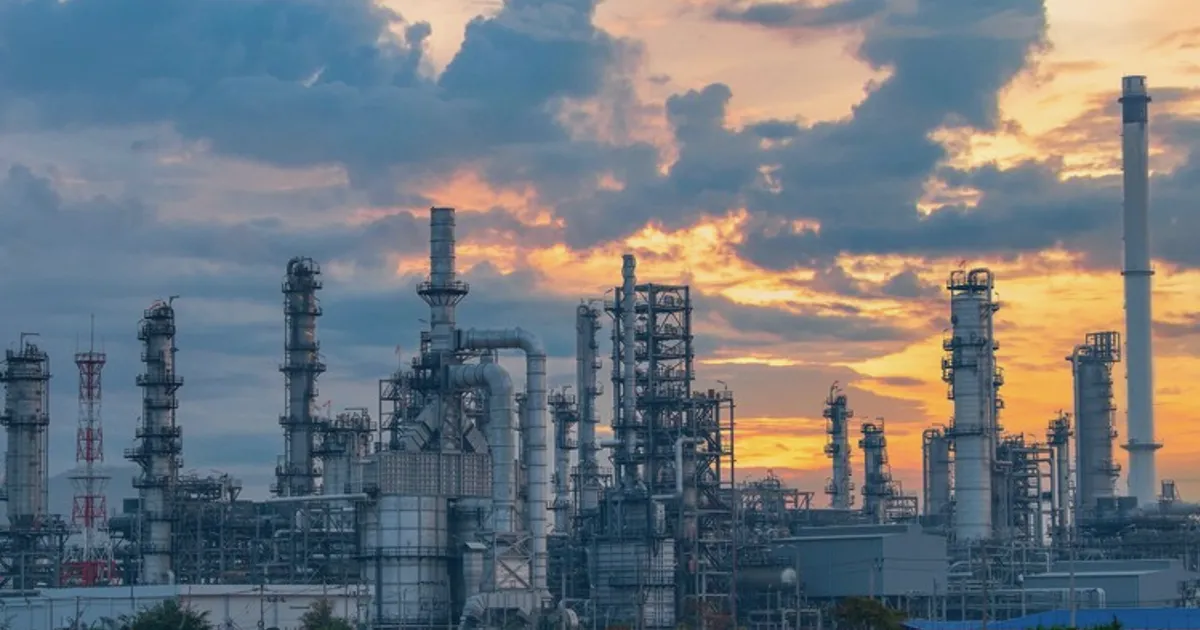
India is scrambling to contain the economic and financial fallout from the worst oil supply disruption in history, as the blockage at the Strait of Hormuz continues to choke crude flows. More than three months after the Iran war began, investment banks, brokerages, rating agencies, and even India's central bank are lowering economic growth forecasts, while the government intervenes to stem the cash bleed from the economy.
The disruption has sent global oil prices soaring, directly impacting India, which imports over 80% of its crude oil. High oil prices are weighing on the Indian rupee, widening the current account deficit, and stoking inflation. The government has been forced to cut fuel taxes and consider subsidies, straining public finances. For energy traders, the situation highlights the vulnerability of import-dependent economies to supply shocks, and live fuel prices on NowPrice show the market's reaction to each new development.
Looking ahead, the key factor remains the duration of the Strait of Hormuz closure. If the disruption persists, India's GDP growth could slip below 5%, and the rupee may weaken further. Traders should watch for any diplomatic breakthroughs or military escalations that could alter the supply outlook, as well as India's policy responses, including potential strategic reserve releases or increased imports from alternative sources.