




Two More Oil Supertankers Exit Hormuz, Boosting Flows
At least two non-Iranian supertankers exited the Persian Gulf via the Strait of Hormuz in the past 24 hours, signaling a modest increase in commercial shipping through the key waterway.
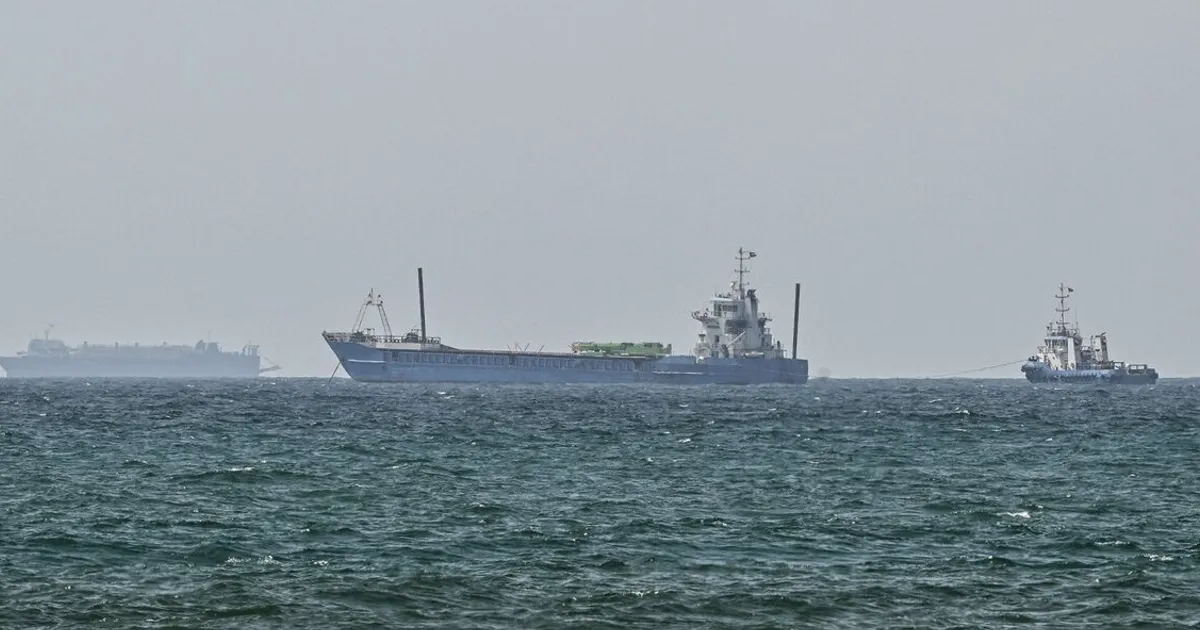
At least two non-Iranian supertankers exited the Persian Gulf via the Strait of Hormuz in the past 24 hours, adding to a modest uptick in commercial shipping through the vital waterway. Each supertanker can carry up to 2 million barrels of crude, so even a few additional sailings can meaningfully affect global supply flows. The Strait of Hormuz is a critical chokepoint for global oil supplies, with about 20% of the world's petroleum transiting it daily. The latest departures bring the total number of non-Iranian supertankers that have cleared the strait in recent days to several, as shipping traffic gradually recovers from earlier disruptions.
For oil traders, the resumption of tanker movements through Hormuz is a positive signal for supply availability, potentially easing concerns about tightness in the medium term. This comes as OPEC+ spare capacity remains ample, with Saudi Arabia and Russia coordinating to manage output, but the market is also watching China's marginal demand and the Brent-WTI spread, which has narrowed on improved flow expectations. The US Strategic Petroleum Reserve (SPR) stands at around 375 million barrels, providing a buffer against supply shocks. However, the pace of tanker transits remains well below normal levels, and any escalation in regional tensions could quickly reverse the trend. Crack spreads, which measure refining margins, have been volatile as gasoline and diesel demand fluctuates, and the crude market has shifted from backwardation to contango in some contracts, indicating near-term oversupply. NowPrice's real-time fuel quotes show crude benchmarks reacting to the news, with Brent and WTI edging lower on the improved flow outlook.
Traders should watch for further tanker tracking data and any diplomatic developments regarding Iran that could influence the strait's accessibility in the weeks ahead. Key factors to monitor include OPEC+ compliance with production cuts, the pace of Chinese crude imports, and any changes in US SPR releases. The recovery in Hormuz traffic, while modest, signals a potential easing of supply constraints, but the market remains sensitive to geopolitical risks and demand shifts. NowPrice will continue to provide real-time updates on tanker movements and fuel prices as the situation evolves.