




Pakistan Buys More LNG as Hormuz Flows Remain Constrained
Pakistan purchased an additional LNG cargo for delivery this week as supply through the Strait of Hormuz from Qatar remains constrained, highlighting ongoing risks to global gas trade.
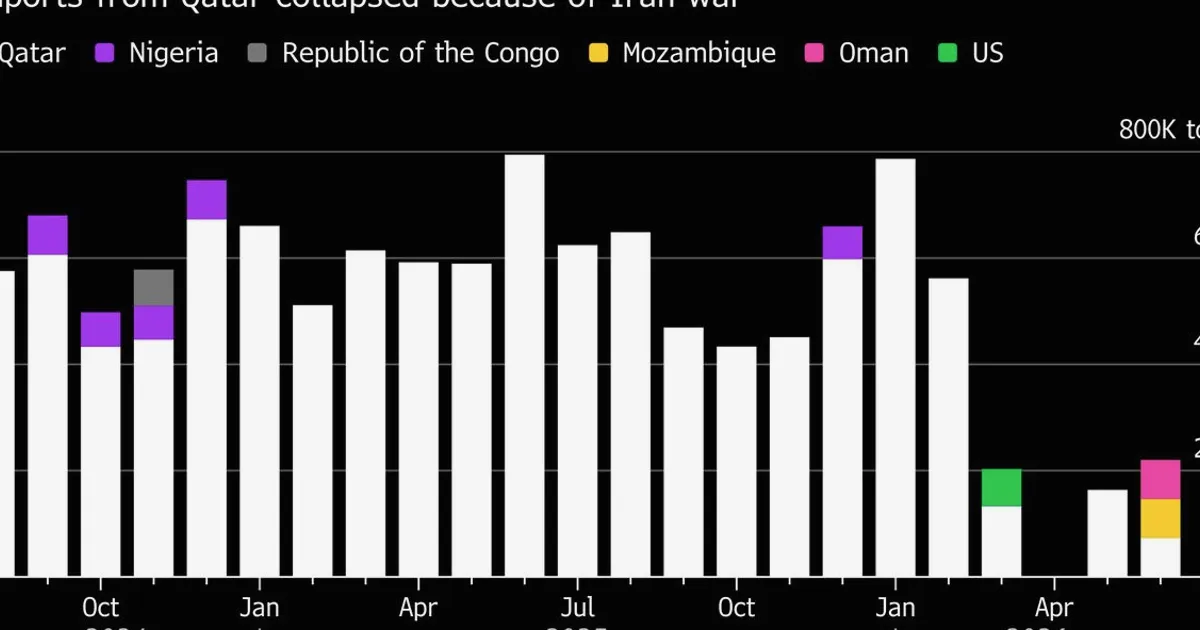
Pakistan has purchased an additional liquefied natural gas (LNG) cargo for delivery later this week, as flows from its main supplier Qatar through the Strait of Hormuz remain constrained. The move underscores the country's urgent need to secure supply amid a tight global market, where Asian spot LNG prices have been elevated due to winter demand and supply outages elsewhere. Pakistan's latest purchase, its second spot cargo in as many weeks, comes as Qatar's production has been partially disrupted by navigation issues in the Strait, through which about 20% of global LNG trade transits. The cargo was likely bought at a premium to the Japan Korea Marker (JKM), reflecting the scarcity of prompt deliveries.
The Strait of Hormuz, a critical chokepoint for LNG and oil shipments, has seen reduced traffic due to ongoing geopolitical tensions and navigation disruptions. For Pakistan, which relies heavily on Qatari LNG to meet its energy needs, any prolonged disruption forces spot purchases at higher prices. This adds pressure to the country's finances—already strained by high inflation and a weak rupee—and highlights the vulnerability of import-dependent economies to supply chain risks. The situation also illustrates the broader market dynamics: when flows through Hormuz are constrained, alternative supply routes become more valuable, and the crack spread between LNG and other fuels widens. Traders can monitor real-time LNG price movements and supply data on NowPrice's live fuel dashboard to track market reactions, including shifts in the Brent-WTI spread and changes in US LNG export flows.
Looking ahead, market participants will watch for any updates on the resumption of normal flows through Hormuz, as well as Pakistan's upcoming tender schedules. The broader impact on Asian LNG spot prices will depend on how quickly Qatari exports normalize and whether other buyers step in to secure cargoes. Any further escalation in regional tensions could keep the market on edge, potentially pushing prices into backwardation as prompt supply tightens. Additionally, the role of US LNG exports as a marginal supplier to Asia will be key, as will the level of storage in Europe and Asia. If Qatari flows remain disrupted, Pakistan may need to issue additional tenders, competing with other price-sensitive buyers like India and Bangladesh.