




Peru Inflation Unexpectedly Accelerates on Rising Food Costs
Peru's inflation unexpectedly accelerated in June, staying above the central bank's target for a fourth month as rising food costs compound global energy price pressures.
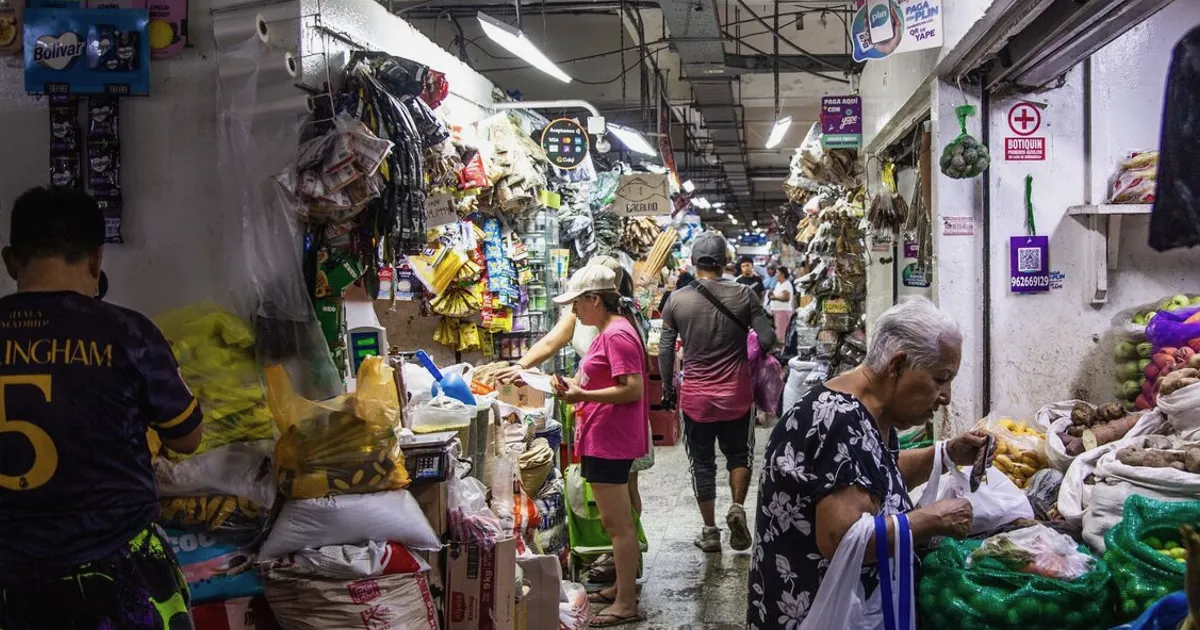
Inflation in Peru's capital unexpectedly accelerated in June, staying above the central bank's target range for a fourth straight month as rising food costs add to recent global energy price pressures.
The headline inflation rate rose to 3.2% year-on-year, exceeding the 2.5% median estimate of analysts surveyed by Bloomberg. The increase was driven primarily by higher prices for food and non-alcoholic beverages, which account for a significant portion of the consumer basket. This marks the fourth consecutive month that inflation has remained above the central bank's target range of 1% to 3%, underscoring persistent price pressures in the Andean nation.
For energy commodity traders, the inflation data is significant because it complicates the central bank's monetary policy outlook. Peru is a net energy importer, so rising global fuel prices feed directly into domestic inflation through transportation and production costs. The central bank had previously paused its rate hiking cycle, but the renewed inflation pressure may force it to resume tightening. Higher interest rates could slow economic growth and dampen fuel demand, but they also support the Peruvian sol, which affects the cost of imported fuels. Traders should monitor the central bank's next policy decision and any commentary on inflation expectations. NowPrice's real-time fuel quotes provide the latest prices for gasoline, diesel, and other refined products in the Peruvian market.
Looking ahead, the key data point will be the central bank's inflation report due later this month, which will include updated forecasts. Additionally, global energy prices remain volatile amid OPEC+ supply decisions and geopolitical tensions. Any further acceleration in food or energy costs could push inflation even higher, forcing a more aggressive policy response. Traders should also watch for any government measures to curb food prices, such as subsidies or import tariff reductions, which could mitigate some of the inflationary pressure.