




Putin Signs Tax Amendments to Boost Domestic Fuel Supply
Russian President Vladimir Putin signed tax amendments aimed at boosting domestic fuel supply, potentially easing gasoline shortages and impacting global energy markets.
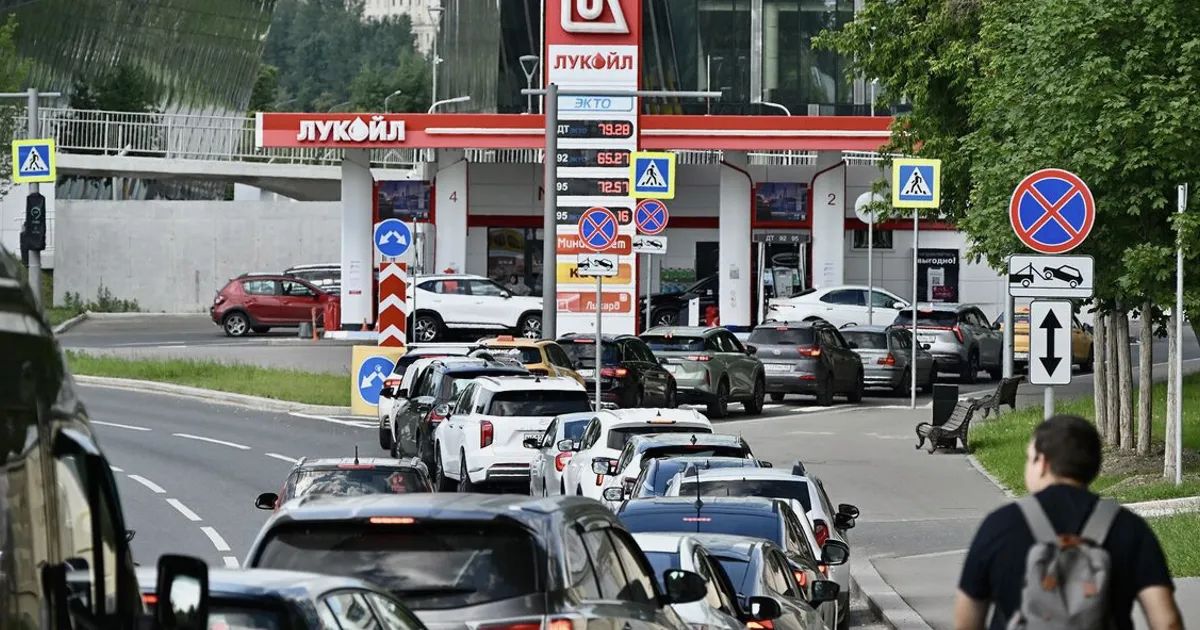
Russian President Vladimir Putin signed a law introducing tax amendments designed to stimulate gasoline supplies to the domestic market. The move comes amid persistent fuel shortages in some regions and aims to ensure sufficient supply for Russian consumers. The amendments adjust the damping mechanism and mineral extraction tax, effectively reducing the profitability of exports relative to domestic sales. This regulatory shift is intended to redirect refined product flows away from international markets and toward Russian filling stations, addressing local supply deficits that have emerged despite the country's status as a major crude producer.
For energy commodities traders, this policy shift could tighten global gasoline and diesel supplies, as Russian exports may decline. Russia is one of the world's largest exporters of refined products, and any sustained reduction in outflows would remove barrels from an already strained global market. The impact on fuel prices will depend on how quickly domestic supply responds and whether the government adjusts export quotas further. In the current environment of OPEC+ production cuts and low US Strategic Petroleum Reserve levels, additional supply constraints could support refining margins—the crack spread—and widen the Brent-WTI spread, as Brent crude is more exposed to global product markets. Meanwhile, China's marginal demand for refined products remains a key variable; if Chinese imports rise amid Russian export cuts, global balances could tighten further. Live fuel prices and charts on NowPrice show how the market is reacting to these developments.
Traders should watch for changes in Russian refinery runs and export volumes in the coming weeks. Any signs of sustained export cuts could support global refining margins and widen the Brent-WTI spread. Additionally, the effectiveness of the tax amendments in stabilizing domestic prices will be a key indicator for future policy moves. The degree of Saudi-Russia coordination within OPEC+ will also be critical; if Moscow reduces product exports while maintaining crude output discipline, the combined effect could deepen backwardation in crude futures. Conversely, if domestic supply fails to materialize, the government may impose additional export restrictions, further squeezing global availability. Monitoring the contango or backwardation structure in refined product markets will provide early signals of whether the policy is achieving its intended effect.