




Qatar LNG Export Revival Stalls, Bad News for Buyers
Qatar's LNG export revival falters as fewer tankers risk the Strait of Hormuz crossing, tightening global supply and supporting prices.
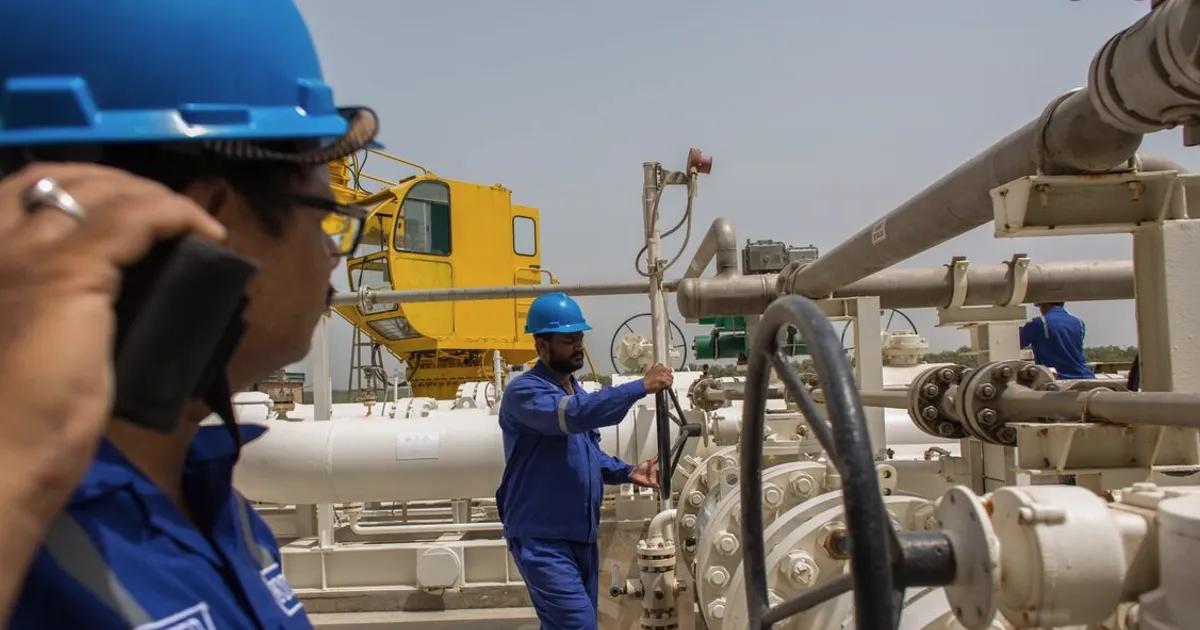
Qatar's liquefied natural gas export revival is stalling, dealing a blow to buyers already grappling with tight global supply. While crude oil flows through the Strait of Hormuz have resumed, fewer LNG tankers are making the still-risky crossing, according to a Bloomberg report. The reduced vessel traffic from Qatar — one of the world's top exporters — means less supply reaching key markets in Asia and Europe. This comes at a time when inventories are being drawn down ahead of winter, and any disruption can quickly tighten the balance. NowPrice's real-time fuel quotes show the impact on spot LNG prices, which have edged higher on the news.
The development underscores the persistent geopolitical risk in the Persian Gulf, even as tensions appear to ease for oil shipments. For LNG traders, the reduced traffic from Qatar tightens the global balance precisely when seasonal demand is rising. The market is already contango-shaped for winter delivery, incentivizing storage builds, but any supply shortfall could flip it into backwardation. Meanwhile, the Brent-WTI spread remains wide, reflecting divergent regional dynamics. In the crude market, OPEC+ spare capacity — largely held by Saudi Arabia and the UAE — provides a buffer, but no such cushion exists for LNG. Qatar's Ras Laffan complex, which accounts for roughly 20% of global LNG supply, is critical. Any sustained reduction in loadings forces buyers to seek alternative cargoes from the US or Australia, potentially widening regional price spreads. The US, as a marginal supplier, could see increased demand, but its export capacity is constrained by liquefaction bottlenecks. China's industrial demand, a key driver of global LNG consumption, remains tepid, but any pickup would further strain availability. The crack spread for gas-to-power generation in Asia is already compressed, making buyers sensitive to price spikes.
Traders should watch for further updates on shipping insurance premiums and military escort availability for gas carriers through the Strait of Hormuz. Any sustained reduction in Qatari LNG loadings could force buyers to seek alternative cargoes from the US or Australia, potentially widening regional price spreads. The market will also monitor Qatar's production rates at its Ras Laffan complex for signs of operational adjustments. Additionally, the level of US SPR releases — currently at multi-decade lows — could influence crude-LNG price correlations. If geopolitical risks persist, the contango in LNG futures may steepen, signaling deeper supply concerns. Saudi-Russia coordination on oil output, while not directly affecting LNG, shapes overall energy market sentiment. For now, the key variable remains the safety of transits through the Strait of Hormuz, where insurance premiums for LNG tankers have already doubled. Any further escalation could trigger a scramble for cargoes, pushing spot LNG prices toward the $15/MMBtu level seen during the 2022 crisis.