




Russia's Oil Windfall Vanishes as Urals Crashes to $42 a Barrel
Russia's flagship Urals crude averaged $41.66 a barrel in early July, erasing the revenue boost from the Middle East conflict and pressuring a budget that assumes $59 oil.
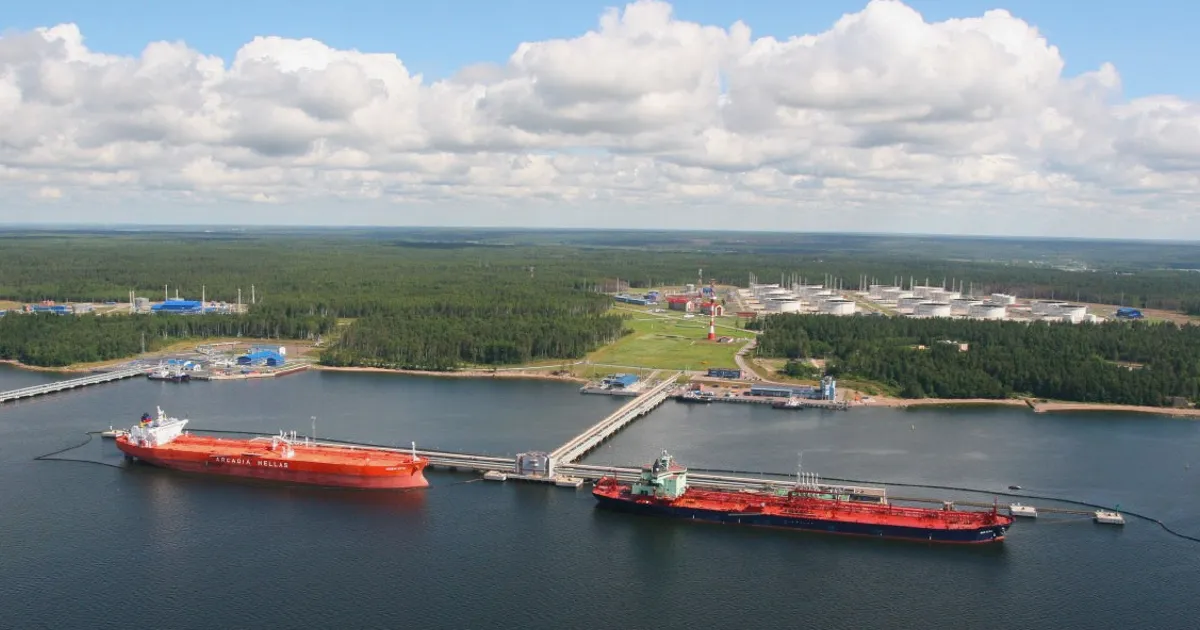
Russia's oil windfall has evaporated as its flagship Urals crude crashed to an average of $41.66 a barrel during the first three days of July, wiping out the revenue boost Moscow enjoyed from the Middle East conflict. The price drop returns Urals to levels last seen before the war, when it traded around $42 a barrel.
For energy traders, the collapse in Urals prices signals a sharp reversal in Russia's fiscal fortunes. The Kremlin's federal budget assumes oil prices of about $59 a barrel, meaning the current level creates a significant shortfall. The spread between Urals and Brent has widened, reflecting persistent discounts on Russian crude due to sanctions and logistical constraints. This dynamic affects global supply-demand balances, as Russia's reduced revenue may influence its willingness to cooperate with OPEC+ production cuts. Traders should monitor the Urals-Brent spread and Russian export volumes for clues on Moscow's next moves. For real-time pricing context, check NowPrice's fuel page for current Urals and Brent quotes.
Looking ahead, the key question is whether Urals can recover. The next OPEC+ meeting and any changes in Western sanctions will be critical. Additionally, China's demand as the marginal buyer of Russian crude will play a role. If Urals remains below $50, Russia may face pressure to cut output further or seek alternative buyers, potentially reshaping global oil flows.