




Saudi Arabia Slashes Oil Prices by Most in Decades Amid Glut
Saudi Arabia cut its official selling price for Asian customers by the most in over 26 years, signaling intensifying competition and a global oil supply glut.
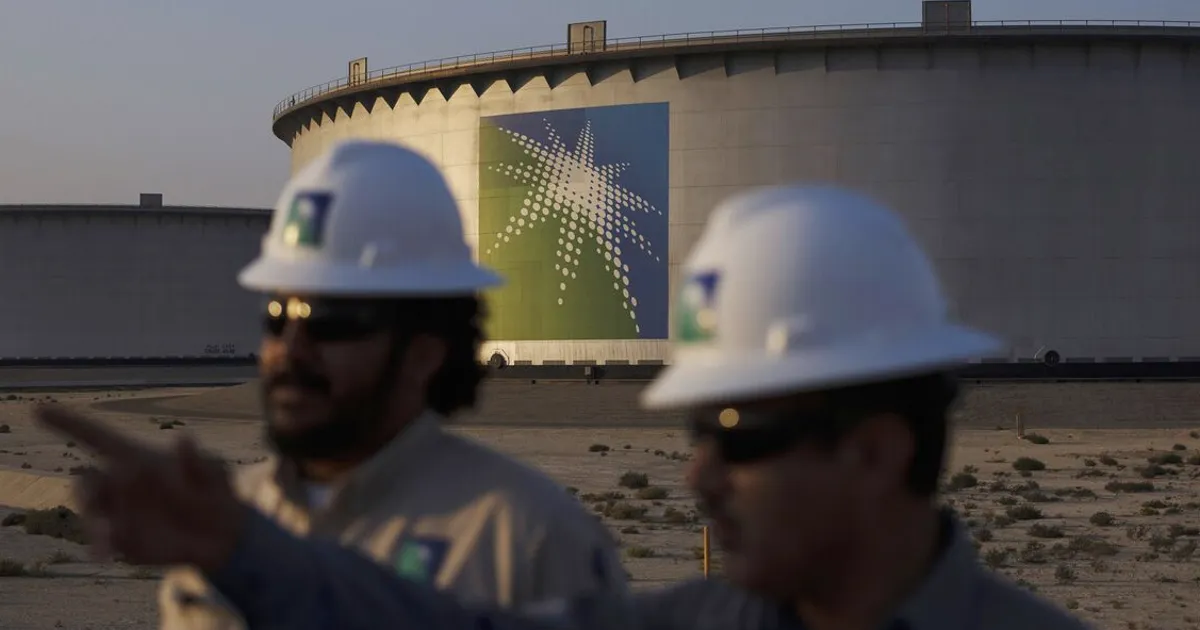
Saudi Arabia slashed the official selling price (OSP) for its flagship Arab Light crude to Asian buyers in August by the largest margin in at least 26 years, as a surge in global supply intensifies competition for market share. The kingdom reduced the OSP for Asia by $4.00 a barrel, the steepest cut since at least 2000, according to data compiled by Bloomberg. The move comes as OPEC+ prepares to unwind some production cuts, while non-OPEC producers like the US and Brazil continue to ramp up output. The price cut underscores Saudi Arabia's determination to defend its market share in Asia, which accounts for the majority of its crude exports. For fuel traders, this signals a bearish outlook for crude prices in the near term, as the discount aims to attract buyers amid ample supply. Check NowPrice's fuel page for the latest pricing on Brent and WTI benchmarks to gauge current market sentiment.
The magnitude of the cut reflects the intensifying battle for market share, particularly as OPEC+ holds significant spare capacity—estimated at over 5 million barrels per day—that could be brought online if the group decides to further unwind cuts. Saudi Arabia's coordination with Russia, a key OPEC+ partner, remains crucial; any divergence in strategy could amplify price volatility. Meanwhile, the Brent-WTI spread, currently around $3-4 per barrel, may widen further as Saudi pricing pressures the global benchmark. US Strategic Petroleum Reserve (SPR) levels, which have been partially replenished after last year's historic drawdown, stand at roughly 375 million barrels, providing a buffer against supply disruptions. Crack spreads—the difference between crude oil and refined product prices—have narrowed recently, signaling weaker refining margins and potentially dampening crude demand. In the futures market, the shift from backwardation to contango in some contracts suggests that traders expect oversupply to persist, encouraging storage builds.
Looking ahead, traders will watch for demand signals from China, the world's largest crude importer, as well as the pace of US inventory builds. China's marginal demand, which has been subdued due to slower economic growth and a property sector slump, will be a key driver of global balances. The Brent-WTI spread may widen as Saudi pricing pressures the global benchmark. Additionally, OPEC+'s next meeting in September will be closely monitored for any adjustments to production policy in response to the evolving supply-demand balance. Any signs of a rift between Saudi Arabia and Russia could trigger further price swings, while a sustained contango structure might incentivize floating storage, adding to the bearish sentiment.