




Schwab Strategist Warns of Red Flags, Possible Inflationary Boom on Oil Spike
Charles Schwab's Liz Ann Sonders warns markets are complacent about rising energy prices, citing a disconnect between soft and hard economic data and the risk of an inflationary boom from a potential oil spike.
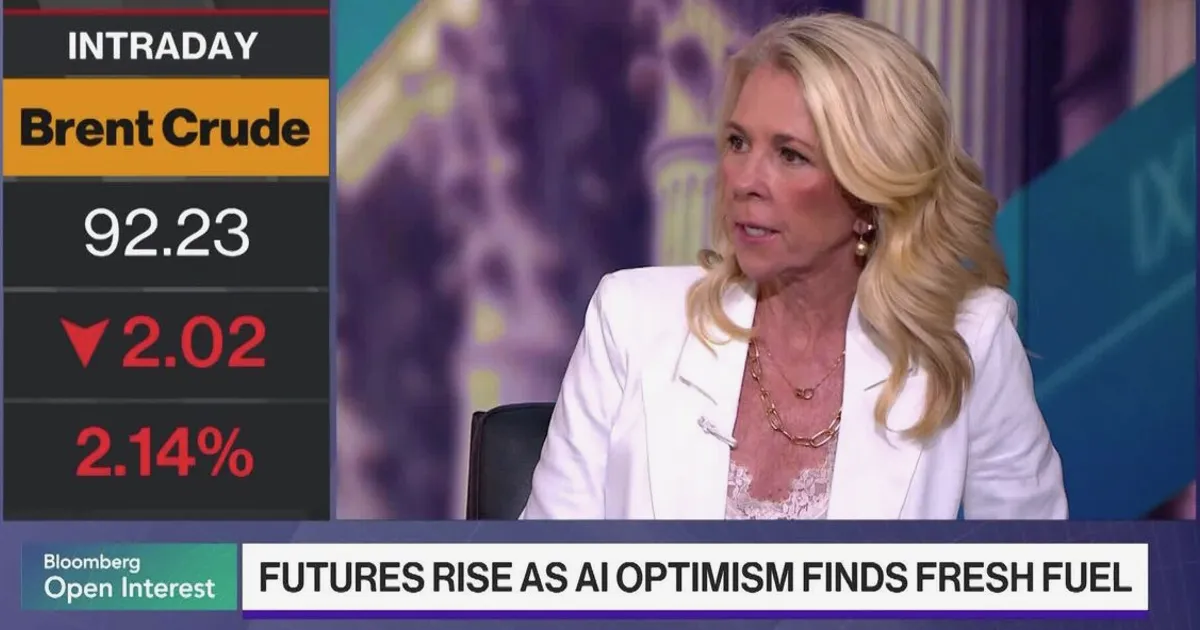
Charles Schwab Chief Investment Strategist Liz Ann Sonders has warned that markets may be underestimating the economic impact of rising energy prices, flagging a potential inflationary boom driven by a spike in oil. Speaking on Bloomberg Open Interest, Sonders highlighted a growing disconnect between soft, survey-based economic data and hard data, suggesting that complacency could leave investors exposed. This warning comes as Brent crude hovers near $90 per barrel, with the Brent-WTI spread widening to around $5 due to differing regional supply dynamics. The US Strategic Petroleum Reserve remains at historically low levels after last year's releases, limiting the government's ability to intervene in case of further price spikes.
For energy traders, the warning underscores the delicate balance between supply constraints and demand resilience. Oil prices have been supported by OPEC+ production cuts, with Saudi Arabia and Russia coordinating additional voluntary reductions of over 1 million barrels per day through June. Meanwhile, geopolitical risks from Red Sea disruptions and Ukrainian drone strikes on Russian refineries have added supply uncertainty. The market watches for signs of demand destruction, particularly from China, where marginal demand growth has slowed amid economic headwinds. If a sustained oil spike materializes, it could fuel broader inflation through higher crack spreads, as refining margins remain elevated due to tight product inventories. This would force central banks to maintain or even tighten monetary policy, weighing on growth and energy demand. NowPrice's real-time fuel quotes show current levels reflecting this uncertainty, with gasoline futures trading in backwardation, indicating near-term supply tightness.
Looking ahead, traders should monitor upcoming OPEC+ meetings in June for any shift in production strategy, as well as weekly US inventory data from the Energy Information Administration for signs of stock builds or draws. Economic indicators such as the Consumer Price Index will be critical for gauging inflationary pressure. The disconnect between soft and hard data Sonders cites may resolve in either direction: if hard data weakens, oil prices could correct sharply, but if soft data catches up to reality, a sustained rally could ensue. The contango structure in some crude futures suggests the market is pricing in future easing, but near-term risks remain skewed to the upside, making price action highly sensitive to data surprises.