




South African Businesses Turn to Renewables Amid Eskom Crisis
South African businesses are investing heavily in renewable energy to shield themselves from rolling blackouts and rising electricity costs from state utility Eskom.
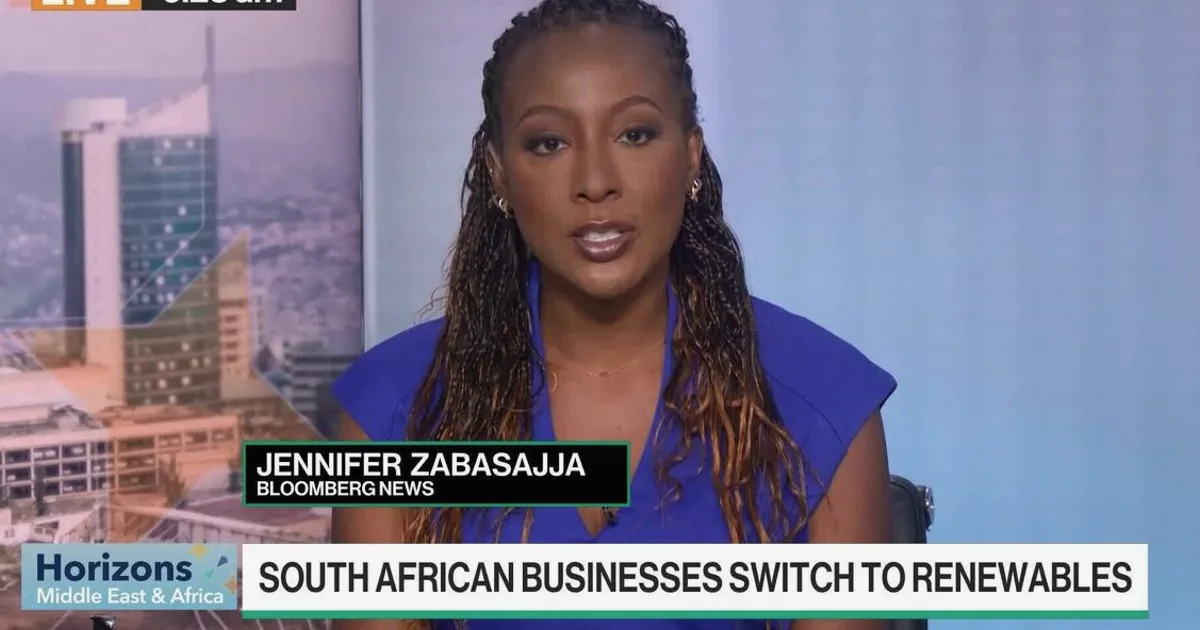
South African businesses are increasingly turning to renewable energy as a hedge against the country's persistent power crisis. State-owned utility Eskom Holdings has been unable to meet demand, leading to rolling blackouts known locally as load-shedding, while also imposing steep tariff increases. This has prompted companies across sectors to invest in solar, wind, and battery storage systems to ensure reliable and affordable power.
For energy traders, this shift has significant implications. The growing adoption of renewables by commercial and industrial users reduces demand from the national grid, potentially easing pressure on Eskom but also lowering the country's reliance on coal-fired generation. South Africa remains one of the world's most coal-dependent economies, and any structural decline in coal demand could affect global thermal coal prices. Additionally, the increased deployment of battery storage supports demand for lithium and other critical minerals. Traders tracking fuel and energy markets can monitor real-time pricing on NowPrice's fuel page to assess the impact on related commodities.
Looking ahead, the pace of renewable investment will depend on Eskom's ability to stabilize its operations and the government's regulatory framework for private power generation. Key data points to watch include Eskom's capacity factor, new renewable project announcements, and any changes to the country's Integrated Resource Plan. The success of South Africa's energy transition will also influence investor sentiment toward emerging market energy assets.