




StanChart Warns Physical Oil Premium Collapse May Be Temporary
StanChart warns that the recent collapse in physical oil premiums after the Hormuz crisis may be temporary, as supply risks remain elevated and buyers could return to the market.
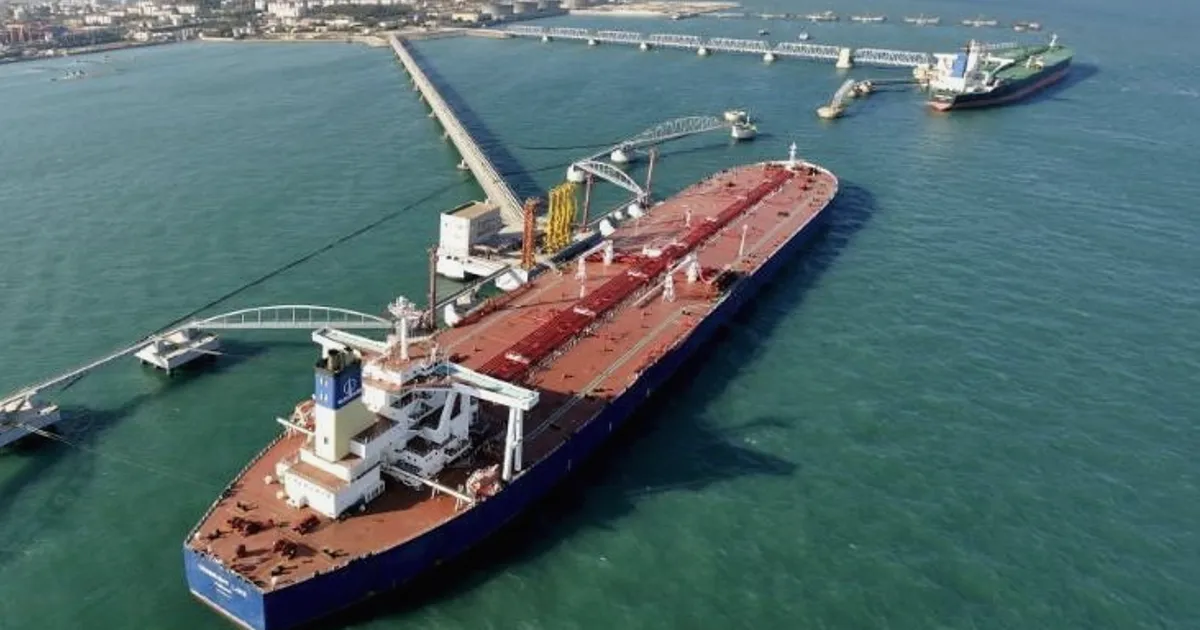
StanChart has warned that the recent collapse in physical oil premiums, which spiked during the Hormuz crisis, may be temporary as supply risks remain elevated. The physical premium for prompt crude cargoes had surged as buyers scrambled to secure supply after Iran blocked the Strait of Hormuz, forcing them to pay significantly higher prices for guaranteed delivery. However, premiums have since fallen sharply as buyers delayed purchases, drew down inventories, reduced refinery runs, and relied on alternative non-Middle Eastern supplies.
For energy traders, the premium collapse signals a temporary easing of supply fears, but StanChart cautions that the underlying risks have not disappeared. The market's ability to absorb disruptions remains limited, and any renewed tensions could quickly reverse the decline. Traders can monitor real-time price movements on NowPrice's live fuel dashboard to track shifts in physical premiums and spot market dynamics. The spread between prompt and forward contracts, as well as the Brent-WTI spread, are key indicators of physical market tightness.
Looking ahead, traders should watch for any escalation in Middle East tensions, particularly around the Strait of Hormuz, as well as inventory data and refinery utilization rates. A return of buyers to the market could reignite premium spikes. Additionally, OPEC+ spare capacity and Saudi-Russia coordination will influence how quickly supply can be restored. The next few weeks will be critical in determining whether the premium collapse is a lasting trend or a brief reprieve.