




Stonepeak Raises $2.5B in Private Bonds for Louisiana LNG Terminal
Stonepeak has raised approximately $2.5 billion through private bond sales to refinance a loan tied to its investment in an LNG export terminal in Louisiana, signaling strong investor appetite for energy infrastructure debt.
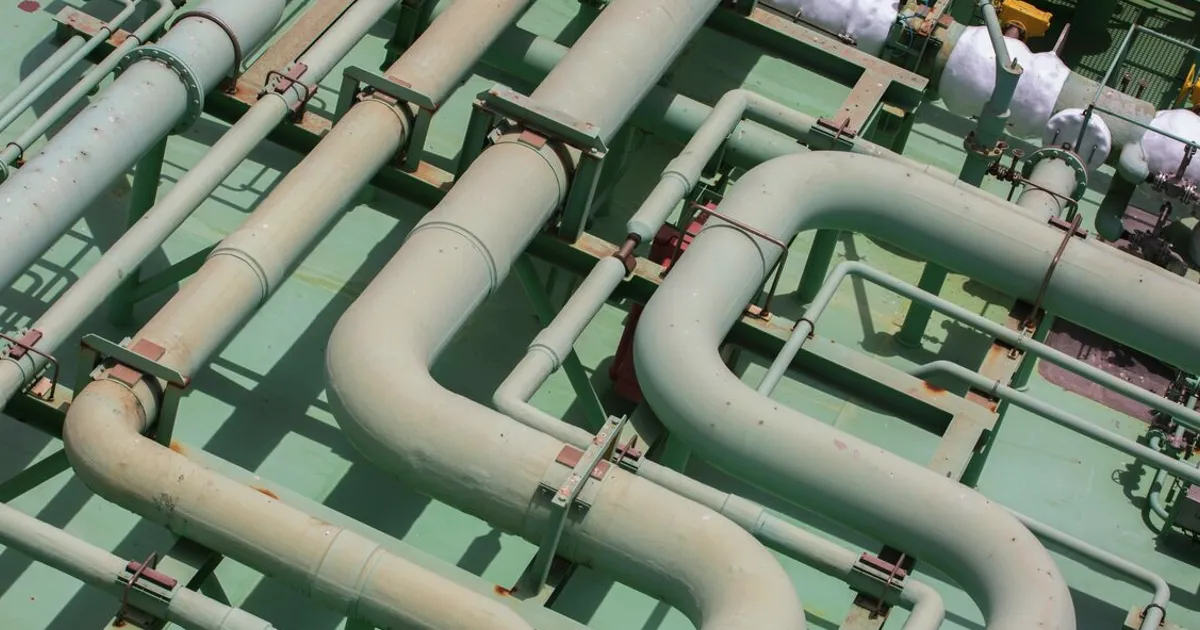
Stonepeak has sold roughly $2.5 billion of private bonds to refinance a loan related to its investment in a liquefied natural gas (LNG) export terminal in Louisiana. The transaction underscores the growing role of private credit markets in funding large-scale energy infrastructure projects, a trend that has accelerated as traditional bank lending has tightened. The bonds, placed with institutional investors, are tied to the Plaquemines LNG project, which is under development by Venture Global. This refinancing allows Stonepeak to lock in longer-term financing at a time when interest rate expectations are shifting, and it highlights the depth of private capital available for energy assets.
The successful placement highlights investor confidence in the long-term viability of U.S. LNG exports, particularly as global demand for natural gas continues to rise, driven by Asian and European buyers seeking alternatives to pipeline gas. For fuel traders, the development is a reminder of the substantial capital flows underpinning LNG supply chains. The Louisiana terminal, once operational, will add to U.S. export capacity, potentially influencing global gas prices and the Brent-WTI spread. With U.S. LNG exports already at record levels, additional capacity could widen the spread between Henry Hub and international benchmarks, especially if European storage fills quickly. Traders can monitor current pricing dynamics on NowPrice's fuel page for real-time context, as crack spreads and contango structures in gas markets react to supply additions.
Looking ahead, market participants will watch for further private bond issuances in the energy sector, as well as regulatory and permitting developments for new LNG projects. The pace of U.S. LNG export capacity additions remains a key factor for global gas balances, especially with European and Asian buyers seeking diversified supply sources. Additionally, OPEC+ spare capacity and Saudi-Russia coordination on oil output could indirectly affect LNG demand via fuel-switching economics. The U.S. Strategic Petroleum Reserve (SPR) levels and China's marginal demand for energy also play roles in shaping the broader commodity complex. Traders should monitor backwardation in gas futures as a signal of near-term tightness, while keeping an eye on any delays in LNG project timelines that could alter supply expectations.