




Tanker Rates Surge as Hormuz Crisis Drives Record Earnings
Tanker rates in the Gulf have nearly doubled in a week as Middle Eastern producers rush to move stranded crude, pushing daily earnings for VLCCs above $190,000.
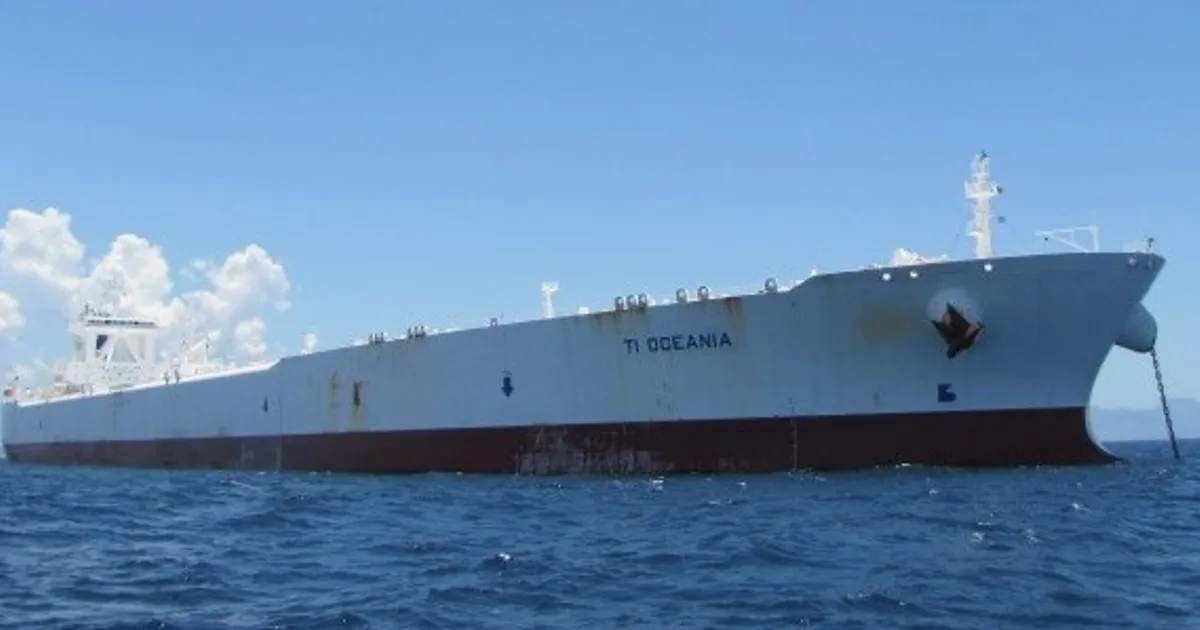
Tanker owners are enjoying their best week since the height of the Hormuz crisis, with daily charter rates for very large crude carriers (VLCCs) nearly doubling as Middle Eastern producers rush to clear a backlog of crude stranded in the Persian Gulf.
The cost of hiring a tanker in the Gulf has jumped from around $106,000 per day to more than $190,000 per day in just one week, according to Reuters. The surge reflects a scramble by exporters to move cargoes that had been delayed by heightened tensions and shipping disruptions in the Strait of Hormuz, a critical chokepoint for global oil flows. While the strait may be reopening, the logistical backlog is now driving a sharp spike in demand for available vessels.
For energy traders, the spike in tanker rates signals a tightening in the physical crude market and adds a layer of cost to delivered barrels. Higher freight costs can compress refining margins and influence regional price differentials, particularly for grades that rely on Hormuz transit. Traders tracking real-time fuel quotes on NowPrice can monitor how these shipping costs feed into delivered prices at key hubs. The rally also highlights the vulnerability of global supply chains to geopolitical disruptions, even as tensions appear to ease.
Looking ahead, the sustainability of these elevated rates will depend on how quickly the cargo backlog clears and whether any new disruptions emerge in the region. Traders will also watch for any shifts in OPEC+ output policy that could alter the flow of crude through the strait. For now, the tanker market is pricing in a prolonged period of elevated demand, with rates likely to remain volatile as the situation evolves.