




Thailand Eyes US LNG Investments to Boost Energy Security
Thailand is considering investments in US LNG export projects to strengthen its energy security, reflecting growing Asian demand for American gas.
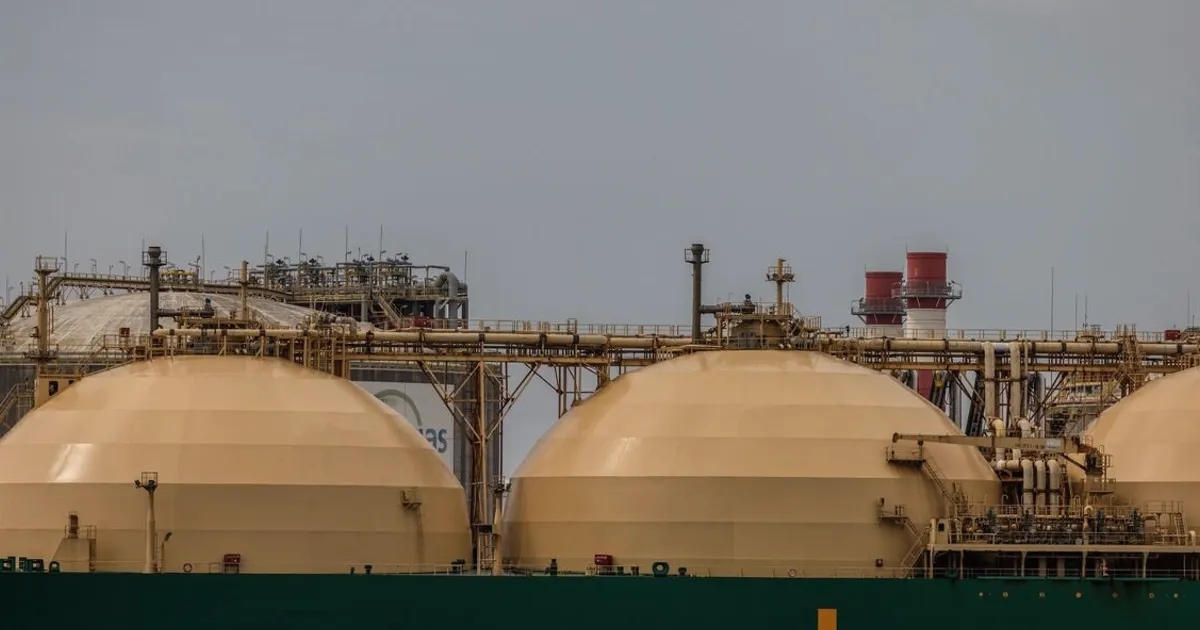
Thailand is exploring investments in US liquefied natural gas export projects as the Southeast Asian nation seeks to secure long-term energy supplies, according to people familiar with the matter. The move underscores a broader trend of Asian buyers turning to American LNG to diversify their energy sources and reduce reliance on traditional suppliers such as Qatar and Australia, which have long dominated the market. US LNG exports have surged in recent years, driven by the shale gas revolution and the expansion of liquefaction capacity along the Gulf Coast, making the country a key swing supplier in global gas markets.
The potential investments come as Thailand's natural gas demand continues to rise, driven by economic growth and industrial expansion. By investing directly in US LNG projects, Thailand could secure stable supply volumes and potentially benefit from lower prices compared to spot market purchases, which are often subject to volatility from weather events, geopolitical tensions, and seasonal demand shifts. For energy traders, this signals a shift in global LNG trade flows, with more US cargoes heading to Asia, where the spot price benchmark (JKM) has historically traded at a premium to the US Henry Hub benchmark. The widening Brent-WTI spread and crack-spread economics also influence the relative attractiveness of LNG versus other fuels, while OPEC+ spare capacity and Saudi-Russia coordination affect the broader energy landscape. NowPrice's live fuel dashboard allows traders to track real-time LNG prices and monitor supply-demand dynamics, including US SPR levels and contango/backwardation structures in futures markets.
Looking ahead, market participants will watch for formal announcements from Thai authorities and any progress in US LNG project approvals, which have faced regulatory hurdles and environmental opposition. The outcome could influence regional gas pricing and competition among Asian buyers for US supply, particularly as China's marginal demand for LNG remains a key driver of global trade flows. Thailand's move also aligns with global efforts to reduce carbon emissions, as LNG is considered a cleaner alternative to coal, though methane leakage and lifecycle emissions remain concerns. Analysts will also monitor the impact on regional gas hubs and the potential for long-term contracts to replace spot purchases, which could reduce price volatility but lock in supply terms.