




Trafigura, Vitol Boost Venezuelan Oil Sales to Asia Amid Iran War
Commodity traders Trafigura and Vitol are increasing Venezuelan crude sales to Asia as rising production and the Iran war disrupt Middle East supply, reshaping global oil flows.
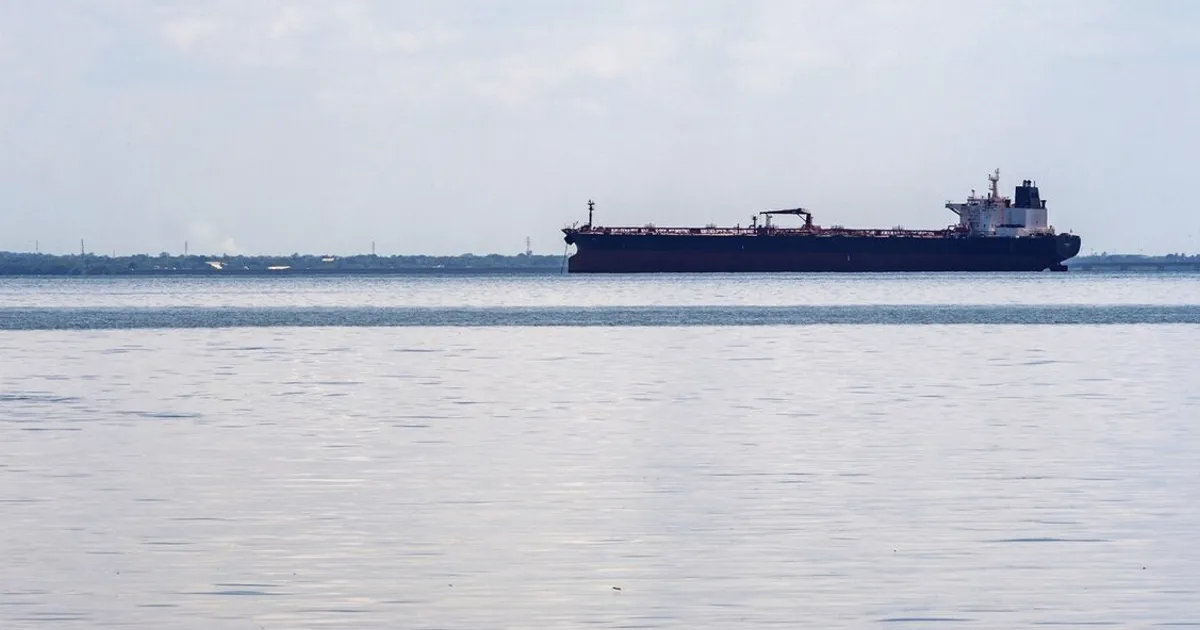
Commodity traders Trafigura Group and Vitol Group are expanding efforts to sell Venezuelan oil into Asia, capitalizing on rising production from the South American country and supply disruptions caused by the Iran war. Venezuelan crude output has been gradually increasing, allowing traders to redirect more cargoes to Asian refineries. The ongoing conflict in Iran has disrupted competing supplies from the Middle East, creating a window for Venezuelan oil to fill the gap. This shift is facilitated by the current Brent-WTI spread, which makes Venezuelan heavy crude more competitive against Middle Eastern grades, and by the contango structure in the futures market that encourages storage and delayed sales. For energy traders, this highlights how geopolitical tensions are reshaping global crude flows, with Asian buyers seeking alternative sources. Traders can monitor these evolving supply dynamics on NowPrice's live fuel dashboard to track price impacts in real time.
The significance of this development lies in its implications for global oil markets. Venezuela's production increase, though modest, provides a rare non-OPEC+ supply boost amid tight spare capacity from the producer group. The Iran war has removed around 1.5 million barrels per day from the market, tightening balances and widening the Brent-Dubai spread, which favors arbitrage flows to Asia. Asian refiners, facing higher costs for Middle Eastern crude due to war risk premiums, are turning to Venezuelan oil, which trades at a discount. This trend is supported by healthy crack spreads in Asia, particularly for fuel oil and diesel, which improve margins for processing heavier Venezuelan grades. Meanwhile, US sanctions on Venezuela remain in place, but waivers granted to some traders allow limited exports, a policy that could shift depending on geopolitical priorities. The US Strategic Petroleum Reserve, currently at its lowest level in decades, limits Washington's ability to intervene in supply disruptions, making market-driven adjustments like this more critical.
Looking ahead, market participants will watch for further increases in Venezuelan production and any changes in US sanctions policy that could affect the flow. The duration and intensity of the Iran war will also be key in determining how long this arbitrage opportunity remains open. Data on Asian refinery runs and Venezuelan export volumes will provide additional clues on the sustainability of this trend. Additionally, traders should monitor Saudi-Russia coordination within OPEC+, as any decision to adjust quotas could offset Venezuelan gains. The backwardation in the Brent forward curve suggests near-term tightness, but if the Iran conflict de-escalates, the arbitrage may close quickly. NowPrice's real-time data on tanker tracking and refinery margins will help traders navigate these evolving dynamics.