




UAE Oil Production Hits 6-Year High After OPEC Exit
UAE crude output rose above 3.8 million bpd in June, the highest in over six years, as Abu Dhabi ramps up exports following its exit from OPEC and OPEC+ in May.
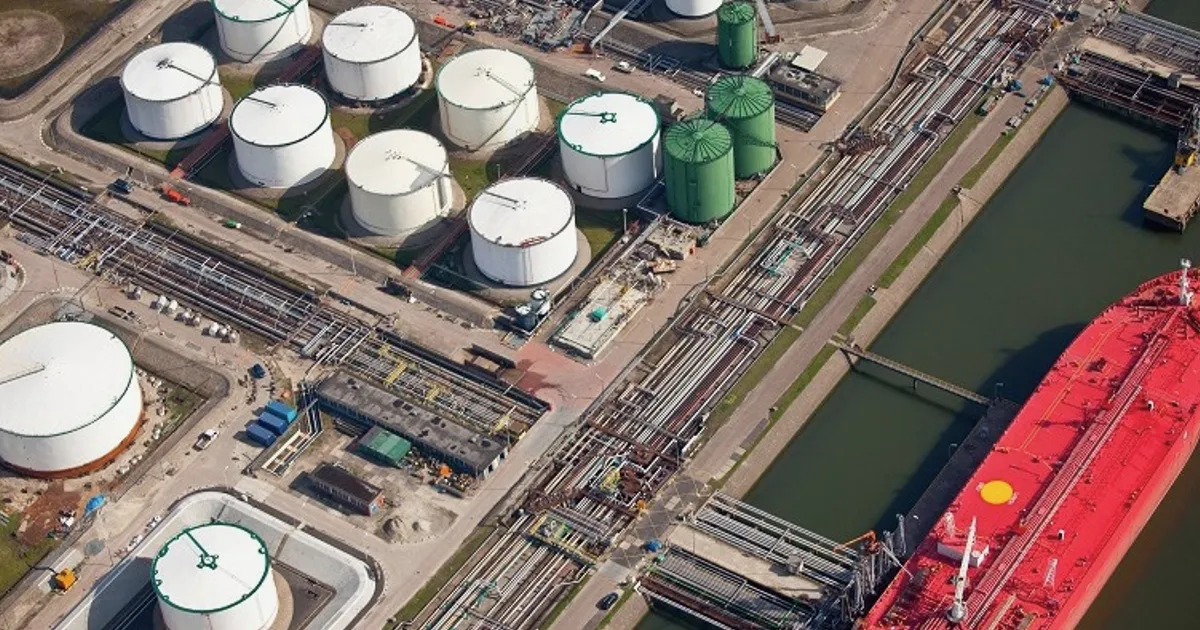
The United Arab Emirates has pushed crude production above 3.8 million barrels per day in June, the highest level in more than six years, as the country capitalizes on its exit from OPEC and OPEC+. The ramp-up comes as the UAE formally withdrew from the producer group on May 1, ending years of output restrictions that had capped its output. Energy Minister Suhail Al Mazrouei said the UAE's investments in upstream capacity meant the country needed to maximize returns rather than keep production offline. ADNOC has spent tens of billions of dollars expanding capacity, and the exit allows Abu Dhabi to convert spare capacity into exports even as weaker oil prices persist. The move adds to global supply at a time when demand growth faces headwinds from a slowing Chinese economy and high interest rates. Live fuel prices and charts on NowPrice show how the market is reacting to the additional barrels.
The UAE's production surge is significant because it alters the balance within OPEC+, a group that has historically coordinated output to manage prices. With the UAE now free to set its own levels, the discipline that underpinned OPEC+ cuts is weakened. This comes as global oil markets are already well-supplied: OPEC+ holds substantial spare capacity, particularly in Saudi Arabia and the UAE, which could be brought online if needed. The Brent-WTI spread has narrowed recently, reflecting ample supply in the Atlantic Basin, while US Strategic Petroleum Reserve levels remain near 40-year lows after last year's releases. Crack spreads, which measure refining margins, have softened due to weak gasoline demand, further pressuring crude prices. China's marginal demand for crude has slowed as its economic recovery disappoints, adding to the demand-side headwinds. In this context, the UAE's additional barrels could exacerbate the surplus, especially if other producers maintain or increase output.
Traders will watch for further increases toward the UAE's capacity target of 5 million bpd by 2027, which could pressure prices further. The next OPEC+ meeting will be closely monitored for any response from Saudi Arabia or other members. Saudi-Russia coordination has been a key pillar of OPEC+ strategy, but the UAE's independent action may test that alliance. Market structure is also a focus: if the additional supply pushes the market into contango, where future prices are higher than spot, it would encourage storage and signal oversupply. Conversely, backwardation would indicate tightness. For now, the UAE's ramp-up is a bearish signal, and the reaction of other producers will determine whether prices can stabilize or face further downside.