




US Led Global CO2 Emissions Growth in 2025, New Report Says
A new report finds the United States accounted for about 30% of the global increase in CO2 emissions in 2025, driven by a 10% rise in coal power generation.
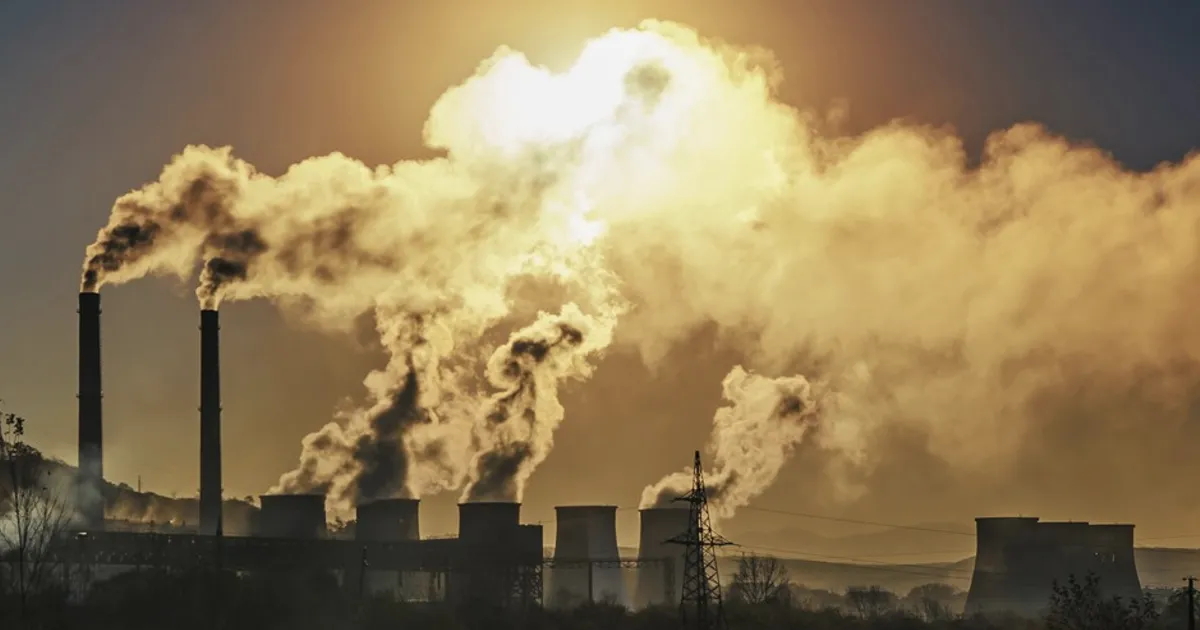
The United States led global carbon dioxide emissions growth in 2025, accounting for roughly 30% of the worldwide increase, according to a report by the Energy Institute, Ember, the Kearney Institute, and KPMG. The rise was primarily driven by a 10% jump in U.S. coal power generation last year, the report said, as cited by Reuters. This marks a notable reversal from recent years when U.S. emissions were declining, and it comes despite the rapid expansion of renewable energy capacity. The increase in coal-fired output reflects a combination of factors, including higher electricity demand from extreme weather events and a tight natural gas market that made coal more competitive on price. In the broader oil market context, the U.S. remains a key swing producer, and its energy choices have ripple effects on global fuel supply and demand balances.
For energy traders, this development highlights the continued role of coal in the U.S. power mix despite the broader push for renewables. A surge in coal-fired generation can tighten coal markets and influence natural gas demand, as coal and gas compete for power generation share. Higher coal output also implies increased emissions, which may affect regulatory and carbon pricing dynamics. The crack spread—the difference between crude oil prices and refined product prices—can be impacted if coal displaces natural gas in power generation, freeing up gas for other uses. Meanwhile, OPEC+ spare capacity remains ample, but any shift in U.S. energy policy could alter global crude flows. The Brent-WTI spread has narrowed recently, reflecting strong domestic demand, and the U.S. Strategic Petroleum Reserve (SPR) stands at around 375 million barrels, providing a buffer against supply disruptions. Live fuel prices and charts on NowPrice show how these shifts are reflected in coal and natural gas markets.
Looking ahead, traders will monitor whether the U.S. coal generation trend persists into 2026, especially as weather patterns and economic activity influence electricity demand. Any policy response to the emissions data, including potential carbon regulations or incentives for renewables, could further reshape the energy landscape. The report's findings also underscore the challenge of meeting global climate targets amid rising energy consumption. Key watchpoints include China's marginal demand for coal and LNG, which could tighten global markets, and the ongoing Saudi-Russia coordination within OPEC+ that influences crude supply. Market structure—whether futures are in contango or backwardwardation—will signal near-term supply-demand balances. Traders should also track the U.S. Energy Information Administration's weekly inventory reports for coal and natural gas, as well as any announcements from the Biden administration on carbon pricing or clean energy subsidies.