




War Turmoil Drains Asian FX Reserves; Philippines, India Hit Hardest
Asian central banks are burning through foreign-exchange reserves to defend currencies as the Iran war drives oil prices higher, with the Philippines and India facing the most acute pressure.
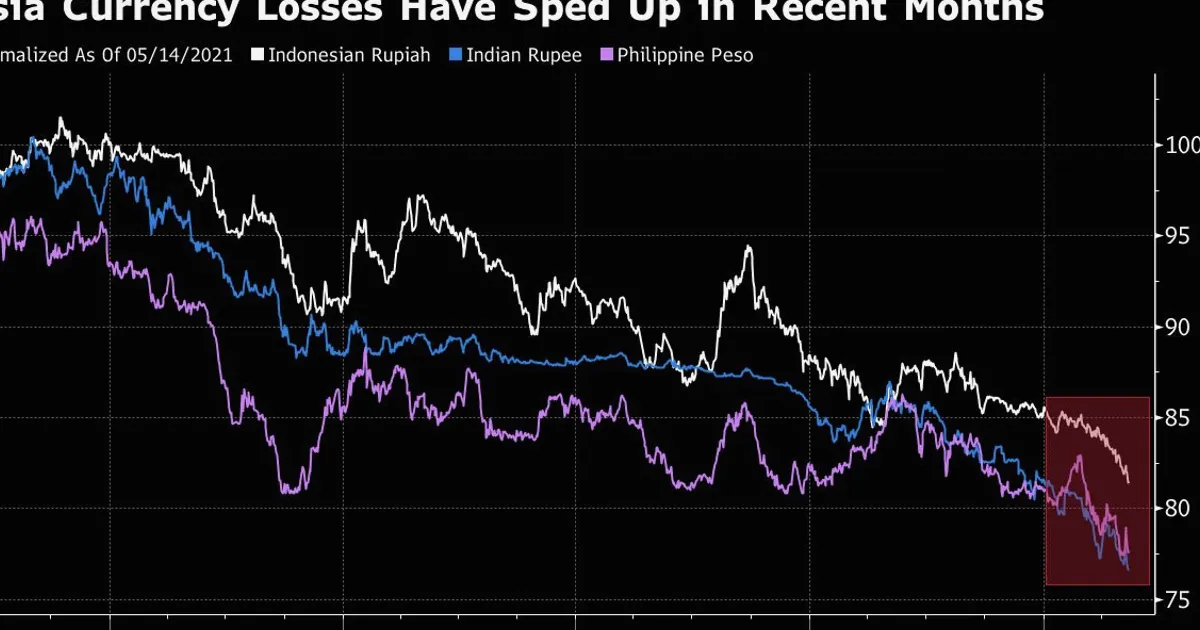
Foreign-exchange reserves are slumping across Asia as policymakers shell out funds to defend their currencies against the spike in oil prices caused by the Iran war. The Philippines and India are among the hardest hit, with reserves declining sharply as central banks intervene to stem currency depreciation. For fuel traders, this reserve drawdown signals heightened currency risk in major oil-importing nations. A weaker local currency makes imported crude more expensive, potentially squeezing refinery margins and dampening demand. The Philippines and India, both heavily reliant on oil imports, face the most acute pressure. Traders can track real-time fuel prices on NowPrice to gauge the impact on local markets.
This dynamic is particularly dangerous because oil is priced in dollars, so a falling local currency directly inflates import bills. In India, for example, the rupee's depreciation against the dollar amplifies the cost of every barrel purchased, even if Brent crude prices hold steady. The Philippines, with its limited refining capacity, must import finished products, making it even more exposed to currency swings. Meanwhile, the crack spread—the difference between crude oil and refined product prices—narrows when local currencies weaken, as domestic fuel prices cannot rise fast enough to keep pace with import costs. This can lead to under-recoveries for state-owned refiners and force governments to cap retail prices, further straining fiscal budgets. The situation is exacerbated by the fact that OPEC+ spare capacity remains concentrated in Saudi Arabia and the UAE, giving them outsized influence over supply. If the Iran conflict disrupts Strait of Hormuz shipping, Brent could spike further, accelerating reserve depletion across Asia.
Looking ahead, the pace of reserve depletion will be a key metric. If oil prices remain elevated, further intervention may be needed, risking a vicious cycle of weaker currencies and higher import costs. Traders should monitor central bank statements and upcoming trade data for signs of stress in these economies. Additionally, watch for shifts in the Brent-WTI spread—a widening spread could indicate global supply tightness that disproportionately affects Asian importers. The US Strategic Petroleum Reserve (SPR) is currently at its lowest level since the 1980s, limiting Washington's ability to release emergency supplies. In contrast, China may use its own strategic reserves to cushion the blow, but its marginal demand for crude is already softening due to a sluggish economy. Saudi-Russia coordination within OPEC+ will be critical; any signs of discord could lead to a price cap agreement that eases pressure on importers. Finally, the futures curve is likely to shift into backwardation if spot shortages intensify, making it more expensive for Asian buyers to hedge their exposure. Traders can monitor these indicators on NowPrice to stay ahead of market moves.