




West Texas Gas Prices Turn Positive for First Time in Four Months
Natural gas prices in the Permian Basin turned positive for the first time in over four months, signaling a shift in regional supply-demand dynamics that could impact US energy markets.
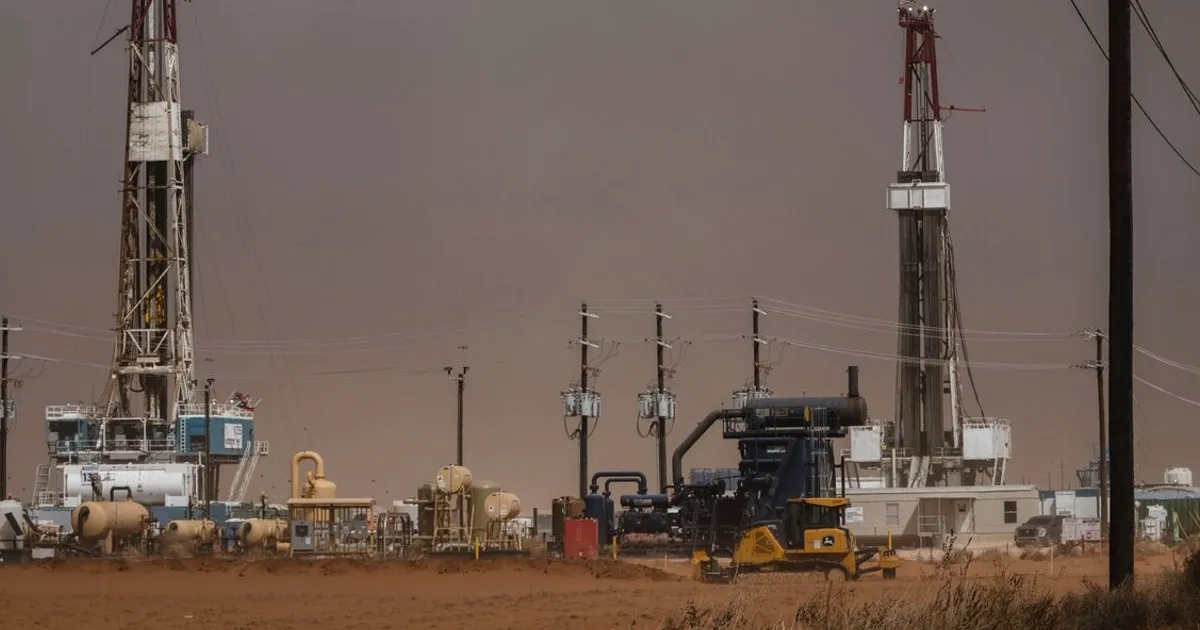
Natural gas prices in West Texas, specifically at the Waha hub in the Permian Basin, turned positive on Monday for the first time in over four months. Drillers in the world's largest shale field were finally paid for the gas they produced, ending a prolonged period of negative pricing that had forced some operators to curtail output.
The return to positive pricing is a significant development for fuel markets, as the Permian Basin is a major source of associated gas from oil drilling. When gas prices turn negative, it often reflects pipeline constraints and insufficient takeaway capacity, forcing producers to pay to offload their gas. The shift to positive territory suggests that some of those bottlenecks may be easing, possibly due to reduced drilling activity or increased pipeline capacity. For traders, this move can influence the broader US natural gas market, as Permian supply typically flows to Gulf Coast LNG export terminals and industrial users. Live fuel prices and charts on NowPrice show how the market is reacting to this regional shift.
Looking ahead, traders should watch for further pipeline developments and maintenance schedules that could affect Permian gas flows. The upcoming summer cooling season will also test demand for natural gas from power plants. If positive pricing persists, it could encourage more associated gas production from oil wells, potentially adding to overall US supply. Conversely, any renewed pipeline constraints could quickly push prices back into negative territory. Key data to monitor include weekly storage reports and pipeline flow data from the region.