




US Gasoline Average Drops Below $4 for First Time in Months
The US national average gasoline price slipped below $4 per gallon for the first time in months, driven by falling oil prices and offering relief to consumers.
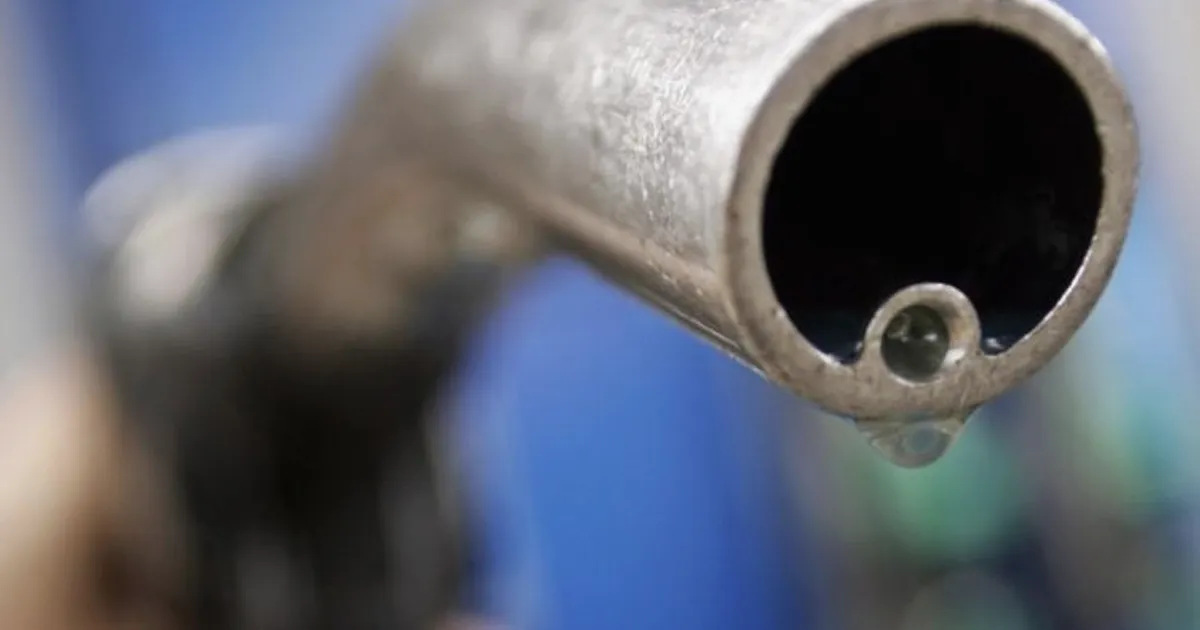
The US national average gasoline price has slipped below $4 per gallon for the first time in many months, according to data from GasBuddy. The average now stands at $3.99 per gallon, down 9.3 cents from last week and 52.4 cents from a month ago. The decline reflects a broader drop in oil prices, which have fallen sharply in recent weeks. This drop is partly driven by ample global supply, with OPEC+ holding significant spare capacity—estimated at over 5 million barrels per day—that could be brought online if needed. Meanwhile, the Brent-WTI spread has narrowed to around $3 per barrel, reflecting balanced flows between the two benchmarks. US Strategic Petroleum Reserve (SPR) levels remain near 40-year lows at roughly 370 million barrels, limiting the government's ability to intervene further.
For energy traders, the slide in gasoline prices is a direct consequence of lower crude oil costs, as gasoline is a refined product of crude. The crack spread — the difference between crude oil prices and refined product prices — has narrowed, indicating weaker refining margins. This trend is closely watched by traders as it signals demand dynamics and refinery profitability. The current crack spread for gasoline is around $15 per barrel, down from $25 earlier this year, as refineries operate at high utilization rates despite tepid demand. China's marginal demand for crude has softened, with its refinery runs falling in recent months due to slower economic growth and a shift toward electric vehicles. Saudi Arabia and Russia, the key OPEC+ leaders, have maintained their coordinated output cuts but face pressure from members like Iraq and the UAE to increase production. In the futures market, the crude curve has moved from backwardation to contango, suggesting that traders expect oversupply in the near term. Live fuel prices and charts on NowPrice show how the market is reacting to these shifts.
Looking ahead, traders will monitor OPEC+ production decisions and US summer driving demand. If oil prices remain under pressure, gasoline could fall further, potentially boosting consumer spending and economic growth. However, any supply disruptions or geopolitical tensions could reverse the trend quickly. Key levels to watch include WTI crude at $70 per barrel and the $3.80 per gallon support for gasoline. A break below these could accelerate the decline, while a rebound above $4.20 might signal renewed inflationary pressure.