




ECB's Lane: Policy decisions to remain meeting-by-meeting
ECB Chief Economist Philip Lane reiterated that monetary policy decisions will be made on a meeting-by-meeting basis, while noting supply-driven energy shocks weigh on euro area growth and boost inflation.
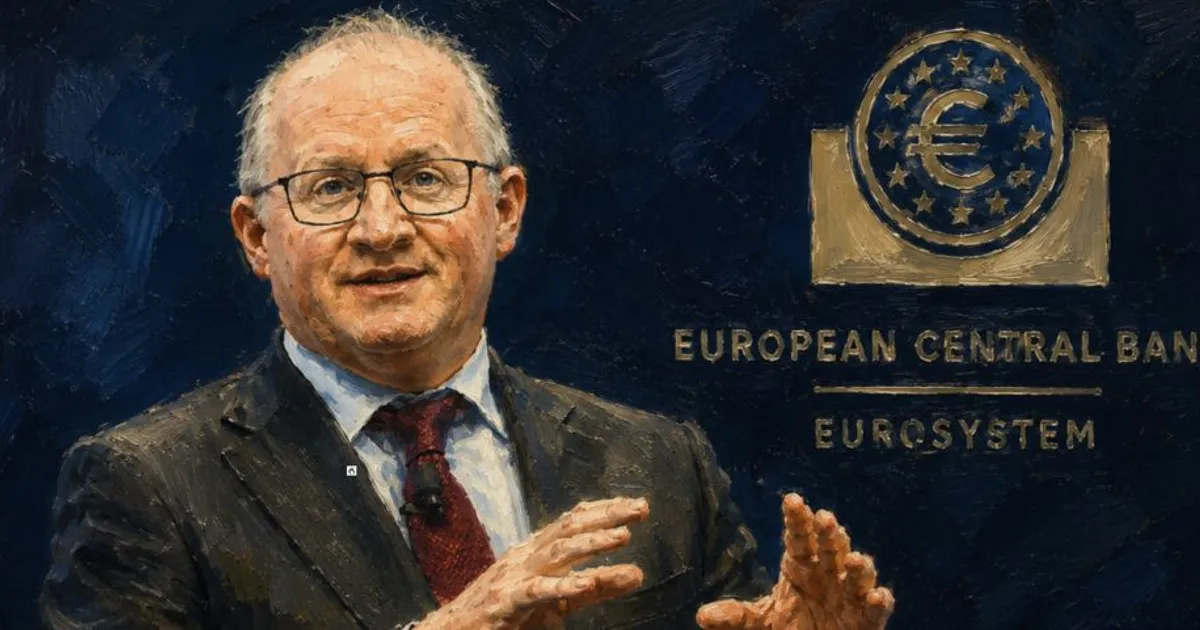
European Central Bank Chief Economist Philip Lane reiterated that monetary policy decisions will continue to be made on a meeting-by-meeting basis, pushing back against any market speculation of a pre-set rate path. Speaking at the Centre for European Reform dinner event, Lane provided detailed analysis of how supply-driven energy shocks impact the euro area economy.
Lane explained that oil-price increases caused by supply disruptions — especially geopolitical events — tend to lower euro area GDP growth by around 0.2–0.3 percentage points over the following years through weaker consumption, investment, and higher uncertainty. He also distinguished between global and regional energy shocks, noting that a global shock raises not only energy prices but also the cost of imported goods across supply chains, leading to a bigger hit to growth and stronger inflation pressures than a localized shock. For forex traders, this distinction matters because a more persistent inflation shock could keep the ECB on a hawkish footing for longer, supporting the euro via wider rate differentials against central banks that face less supply-side pressure. Traders can check NowPrice's fx page for the latest EUR/USD pricing and implied rate expectations.
Looking ahead, markets will focus on upcoming euro area inflation and GDP data to gauge the lagged effects of past energy shocks. Lane's comments suggest the ECB remains data-dependent, with no commitment to a specific timing for the next move. Any further escalation in geopolitical tensions that disrupts energy supplies could reinforce the ECB's cautious stance, potentially delaying rate cuts and underpinning the euro. Conversely, a rapid dissipation of energy price pressures could open the door for earlier easing, weighing on the single currency.