




Indian Rupee Slides as US-Iran Tensions and Oil Prices Weigh
The Indian rupee gave back recent gains as renewed US-Iran hostilities and higher crude oil prices undermined the currency's outlook.
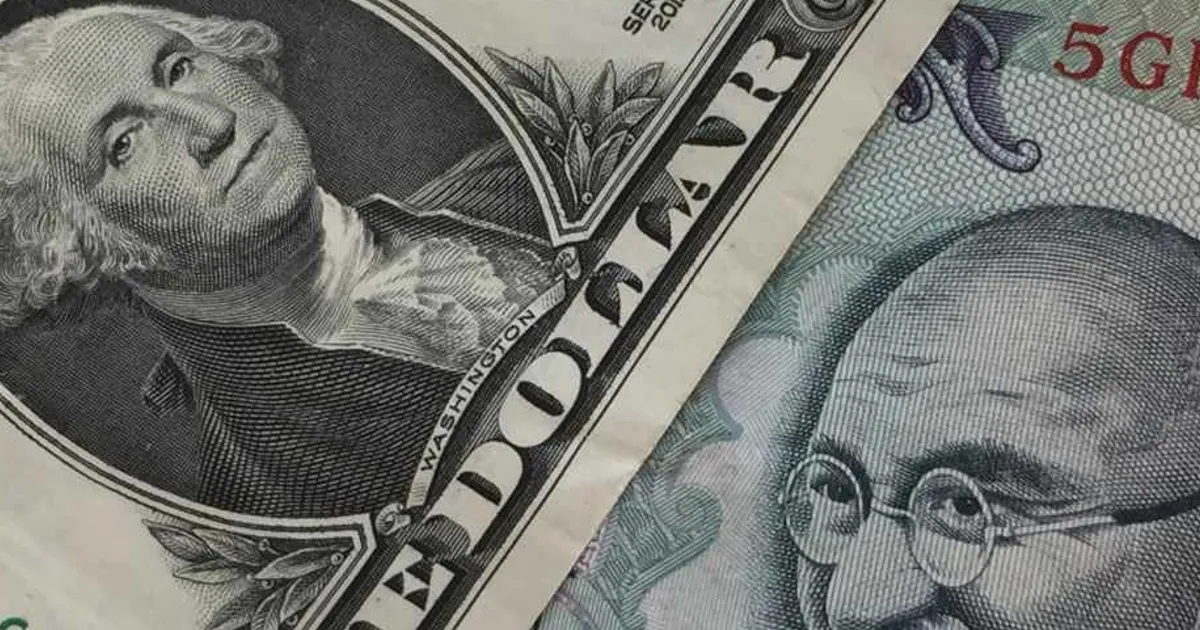
The Indian rupee reversed recent gains on Thursday as escalating US-Iran tensions and higher oil prices weighed on the currency. The dollar has been supported this week by renewed hostilities in the Middle East, with Iran attacking US bases in the Gulf, while the stalemate over the Strait of Hormuz persists. This geopolitical risk has triggered a flight to safety, boosting the US dollar as a safe-haven asset, while emerging-market currencies like the rupee suffer. The dollar's strength is further amplified by interest-rate differentials, as the Federal Reserve maintains higher rates compared to the Reserve Bank of India, widening the real-rate differential and making carry trades less attractive for the rupee.
The rupee is particularly sensitive to oil prices because India is a major crude importer, importing over 80% of its oil needs. Higher oil costs widen the trade deficit and put pressure on the current account, which in turn weakens the rupee. This terms-of-trade shock means India must pay more for imports, worsening the current account deficit and increasing demand for dollars. The renewed geopolitical risk also dampens risk appetite, prompting investors to favor safe-haven currencies over emerging-market ones like the rupee. A potential unwind of carry trades, where investors borrow in low-yielding currencies to invest in higher-yielding emerging markets, could exacerbate the rupee's decline as risk aversion rises. For the latest levels on the USD/INR pair, traders can check NowPrice's real-time forex quotes.
Looking ahead, the key focus remains on any diplomatic progress between the US and Iran, as well as the trajectory of crude oil prices. A sustained closure of the Strait of Hormuz could keep oil elevated, further pressuring the rupee through higher import costs and a wider current account deficit. Market participants will also watch for any intervention from the Reserve Bank of India to stem excessive volatility, as the central bank may step in to smooth sharp moves or defend key levels. Additionally, the interest-rate parity condition suggests that if the RBI does not hike rates to match the Fed, the rupee may continue to weaken. Traders will also monitor global risk sentiment and any shifts in central bank divergence that could affect capital flows into India.