




Inflation squeezes US families, widens K-shaped economy gap
The Fed's Beige Book shows lower- and middle-income US consumers are cutting spending due to persistent inflation, reinforcing a K-shaped recovery that benefits higher earners while pressuring the broader economy and potentially influencing Fed policy.
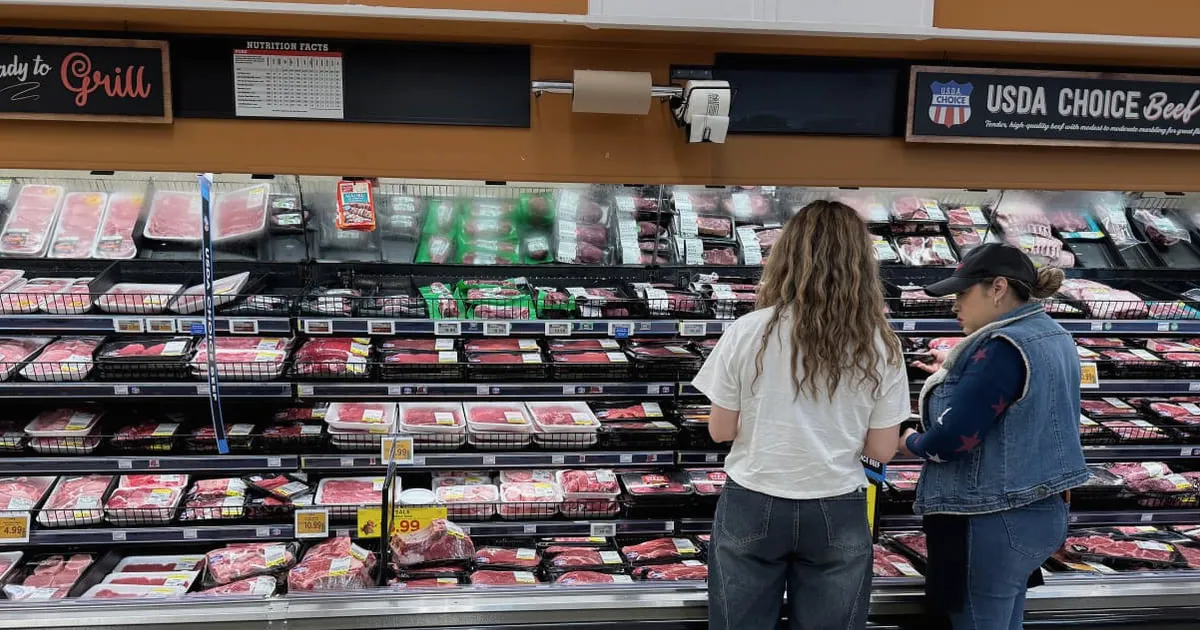
The Federal Reserve's Beige Book survey reveals that persistent inflation is forcing lower- and middle-income American families to tighten their budgets, a trend that is amplifying the economy's 'K-shaped' recovery where wealthier households continue to spend while others pull back.
The report, based on anecdotal information from the Fed's 12 districts, indicates that higher consumer prices are reining in spending among less affluent consumers. This divergence in consumption patterns is a hallmark of the K-shaped recovery, where the economic rebound is unevenly distributed across income groups. The squeeze on lower-income households is particularly evident in discretionary spending categories, as essentials like food and housing consume a larger share of their budgets.
For foreign exchange and currency traders, this dynamic has direct implications for the US dollar and interest rate expectations. A weakening consumer base at the lower end of the income spectrum could dampen overall economic growth, potentially reducing the urgency for the Federal Reserve to maintain a hawkish stance. Conversely, if the K-shape persists, it may keep core inflation sticky as higher-income consumers continue to drive demand, complicating the Fed's policy path. Live FX prices and charts on NowPrice show how the market is currently pricing in these divergent scenarios, with the dollar index reacting to shifts in rate expectations.
Looking ahead, traders should monitor upcoming consumer spending data, particularly retail sales and personal consumption expenditures (PCE), for signs of further weakness among lower-income groups. Additionally, any commentary from Fed officials regarding the Beige Book's findings could provide clues on the timing and magnitude of future rate moves. The next FOMC meeting will be crucial in determining whether the central bank acknowledges this K-shaped risk more explicitly in its policy statement.