




Japan eyes food sales tax cut to 1% from 2027, bond and yen risks loom
Japan is considering cutting its food consumption tax from 8% to 1% for two years starting April 2027, a move that could pressure JGB yields and the yen if it raises fiscal sustainability concerns.
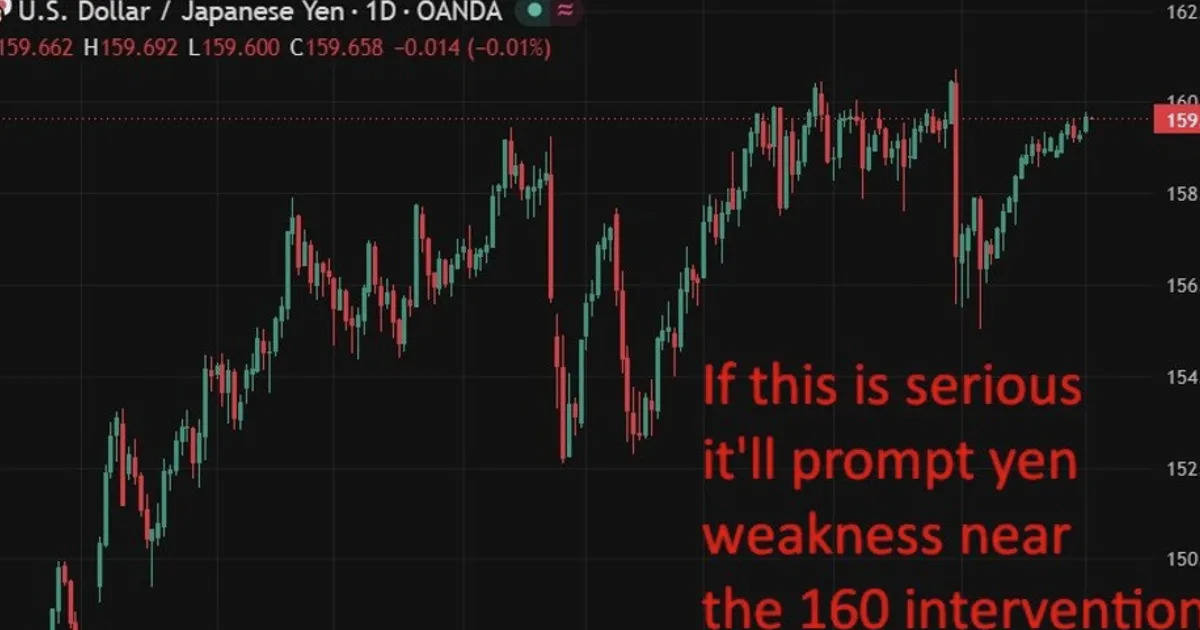
Japan is considering cutting its food consumption tax from 8% to 1% for a two-year period beginning in April 2027, according to a report from the Mainichi newspaper citing an unnamed government official. The timeline appears designed to support Prime Minister Takaichi ahead of municipal elections, with the reduced rate set at 1% rather than zero to avoid costly modifications to point-of-sale systems nationwide.
The proposal carries significant implications for Japan's bond market and the yen. A sharp reduction in consumption tax revenue would widen the fiscal deficit at a time when the Bank of Japan is gradually normalizing monetary policy. If markets perceive the tax cut as undermining fiscal sustainability, JGB yields could rise, widening the spread with other developed-market bonds. That would increase the government's debt-servicing costs and potentially trigger capital outflows, putting downward pressure on the yen. For currency traders, the key channel is the interest-rate differential: higher JGB yields might initially support the yen, but if the move is seen as fiscally irresponsible, risk premiums could push the currency lower. Live FX prices and charts on NowPrice show how the yen is reacting to the news in real time.
Looking ahead, traders will monitor further details on the tax plan, including how the government intends to offset the revenue loss. The Bank of Japan's policy trajectory remains crucial: any signs that the BOJ will slow its rate hikes due to fiscal concerns could weigh on the yen. Additionally, the outcome of the municipal elections and Prime Minister Takaichi's political standing will be closely watched. The two-year window suggests the tax cut is temporary, but markets will assess whether it becomes a permanent fixture, which would have longer-term implications for Japan's fiscal health and the yen's safe-haven status.