




Japan FX diplomat says April intervention slowed yen decline
Japan's top currency diplomat stated that the April intervention helped slow the yen's decline, but traders quickly pushed USD/JPY to 40-year highs, testing the effectiveness of future interventions.
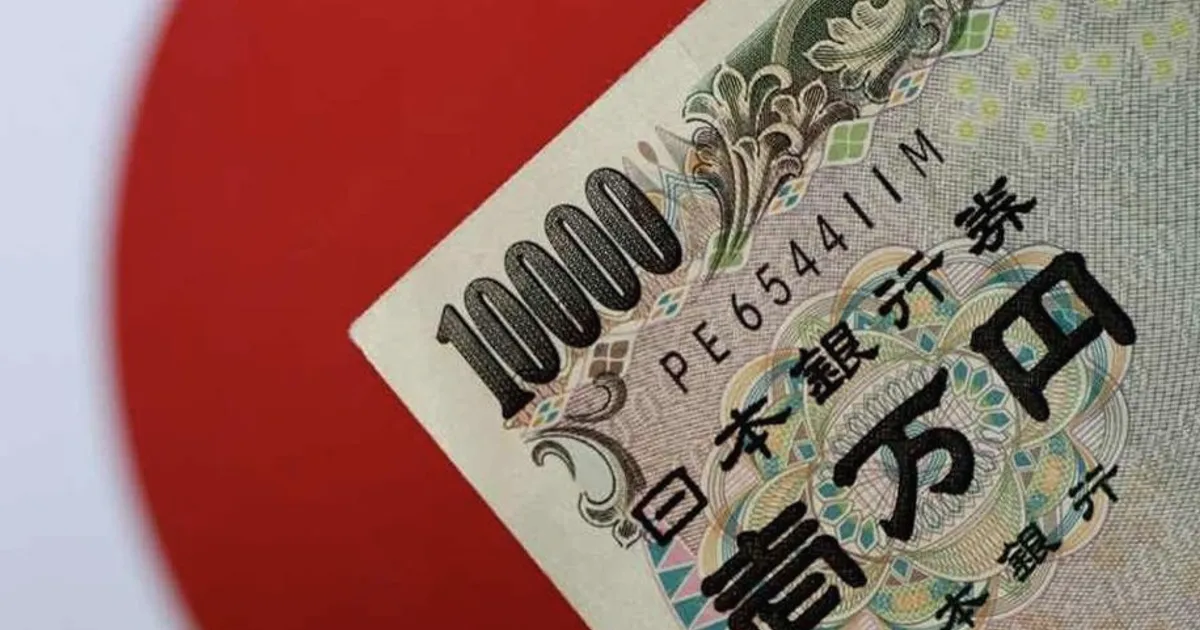
Japan's top currency diplomat said that the country's intervention in April helped slow the yen's decline, but the comment comes as USD/JPY has surged to 40-year highs, suggesting traders are brushing aside official efforts. The diplomat, speaking this week, acknowledged that the April intervention had a temporary effect in slowing the yen's depreciation. However, the market quickly resumed its push higher, with USD/JPY reaching levels not seen in four decades. This highlights the challenge Japan faces in defending its currency against persistent dollar strength driven by wide interest rate differentials between the US and Japan. The interest rate differential, a key driver of currency movements through interest-rate parity, remains stark: the Federal Reserve's benchmark rate is above 5%, while the Bank of Japan's is near zero. This gap incentivizes carry trades, where investors borrow yen to buy higher-yielding dollar assets, putting sustained downward pressure on the yen. Japan's intervention, which involves selling dollar reserves to buy yen, aims to slow the pace of depreciation but does not address the fundamental rate differential. The real-rate differential, adjusted for inflation, further favors the dollar, as US real yields are significantly positive while Japan's are negative. This makes intervention a temporary fix rather than a structural solution.
For forex traders, the effectiveness of Japan's intervention strategy is a key variable. If the threat of intervention loses credibility, USD/JPY could accelerate higher, testing the Bank of Japan's patience. The concept of intervention thresholds is crucial: markets often test perceived levels where authorities might step in, and if those levels are breached without action, the yen can weaken rapidly. A carry-trade unwind, triggered by a sharp move in USD/JPY or a change in risk appetite, could cause sudden yen strength, but for now, the trend favors the dollar. Japan's terms of trade have deteriorated due to higher import costs from a weak yen, which hurts the economy but does not directly trigger intervention. Live FX prices and charts on NowPrice show how the market is reacting to each intervention attempt. The next trigger to watch is the US jobs data, which could further widen the rate gap if it comes in strong. Strong US data would reinforce the Fed's hawkish stance, pushing US yields higher and widening the rate differential, potentially driving USD/JPY even higher. Japan may need to consider policy changes beyond intervention to stem the yen's slide, such as a shift in BOJ policy or coordinated action with other central banks. Central-bank divergence remains the dominant theme, with the BOJ's gradual normalization lagging behind the Fed's aggressive tightening. Until that divergence narrows, the yen is likely to remain under pressure, and intervention will only provide temporary relief.