




Japan PMI hits 3-month high as input costs surge to near 4-year peak
Japan's composite PMI rose to a three-month high in June, but input cost inflation accelerated to its strongest since July 2022, reinforcing the BOJ's tightening bias and supporting the yen.
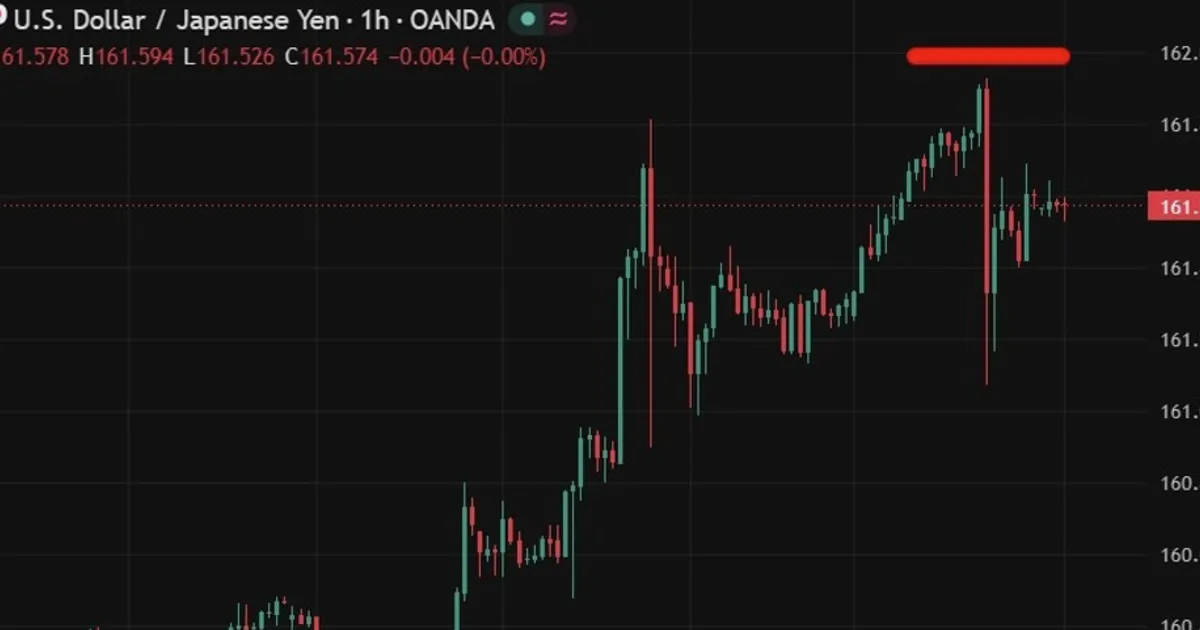
Japan's composite Purchasing Managers' Index (PMI) rose to a three-month high in June, signaling an acceleration in private-sector activity. However, the report also revealed that input cost inflation surged to its strongest level since July 2022, driven primarily by Middle East conflict-related energy and raw material costs.
The headline PMI reading, while positive, masks underlying concerns. The input cost component is the most market-sensitive element for USD/JPY and Japanese government bond (JGB) traders. Inflation has now accelerated for five consecutive months, reinforcing the Bank of Japan's (BOJ) recent rate hike to 1% and keeping further tightening firmly on the table. For forex traders, this supports the yen as it suggests the BOJ may need to raise rates again sooner rather than later, narrowing the interest rate differential with the US. For current pricing on USD/JPY and other yen pairs, check NowPrice's fx page.
A key caveat in the data is that a meaningful portion of the demand strength reflects pre-emptive stock-building rather than genuine end-demand. This implies the headline composite figure may overstate the underlying growth impulse. Activity could soften as warehouse capacity fills and cost pressures force purchasing managers to pull back. Traders will watch upcoming data, including the BOJ's summary of opinions from its June meeting and national CPI figures, for further clues on the policy path.