




20-Year Real Estate Super Cycle Is Beginning, Says Kayne Anderson CEO
Kayne Anderson CEO believes a 20-year real estate super cycle driven by supply constraints, aging demographics, and AI efficiencies is beginning, favoring housing, medical offices, senior housing, and industrial properties.
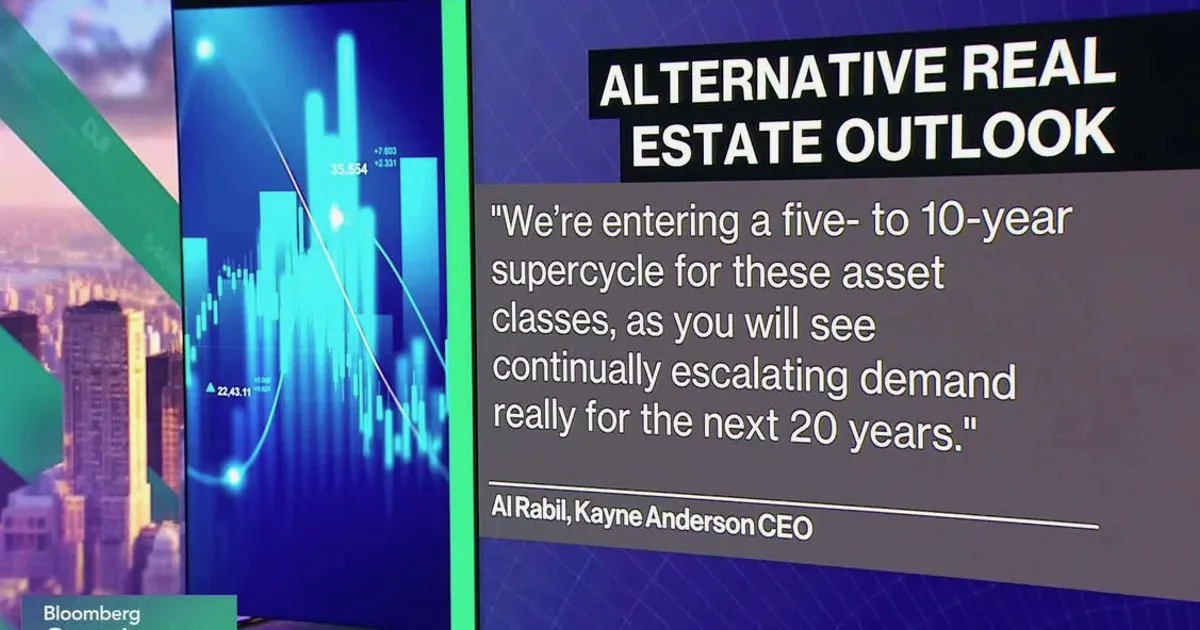
Kayne Anderson CEO Albert Rabil has declared that a 20-year real estate super cycle is underway, driven by structural supply shortages, demographic shifts, and advances in artificial intelligence. In an interview with Bloomberg Open Interest, Rabil outlined why he believes housing, medical offices, senior housing, and industrial real estate are poised for sustained outperformance.
The core thesis rests on three pillars. First, supply constraints in many developed markets have created a chronic shortage of housing and commercial space, limiting new construction and pushing up rents. Second, aging populations in the US, Europe, and Japan are boosting demand for senior housing and medical office properties. Third, AI-driven efficiencies are reshaping industrial real estate, with data centers and logistics facilities becoming increasingly critical. Rabil emphasized that operational expertise—not just capital—will separate winners from losers in this cycle. For interest rate and central bank policy traders, the implications are significant: a sustained real estate super cycle could keep inflation pressures elevated, potentially influencing the pace of rate cuts by the Federal Reserve and other central banks. NowPrice live rates and charts show how bond markets are already pricing in these long-term trends.
Looking ahead, investors should monitor construction starts, demographic data, and AI investment flows to gauge the cycle's strength. Key levels to watch include the 10-year Treasury yield, which may rise if the super cycle fuels growth and inflation. Central bank meetings later this year will provide further clues on how policymakers view these structural shifts.