




Asia Inflation Pressures Persist Despite Fuel Price Caps
ING's APAC chief economist notes that inflation pressures in Asia are rising despite fuel price caps, driven by stronger-than-expected growth and tech exports, amid fragile geopolitical conditions.
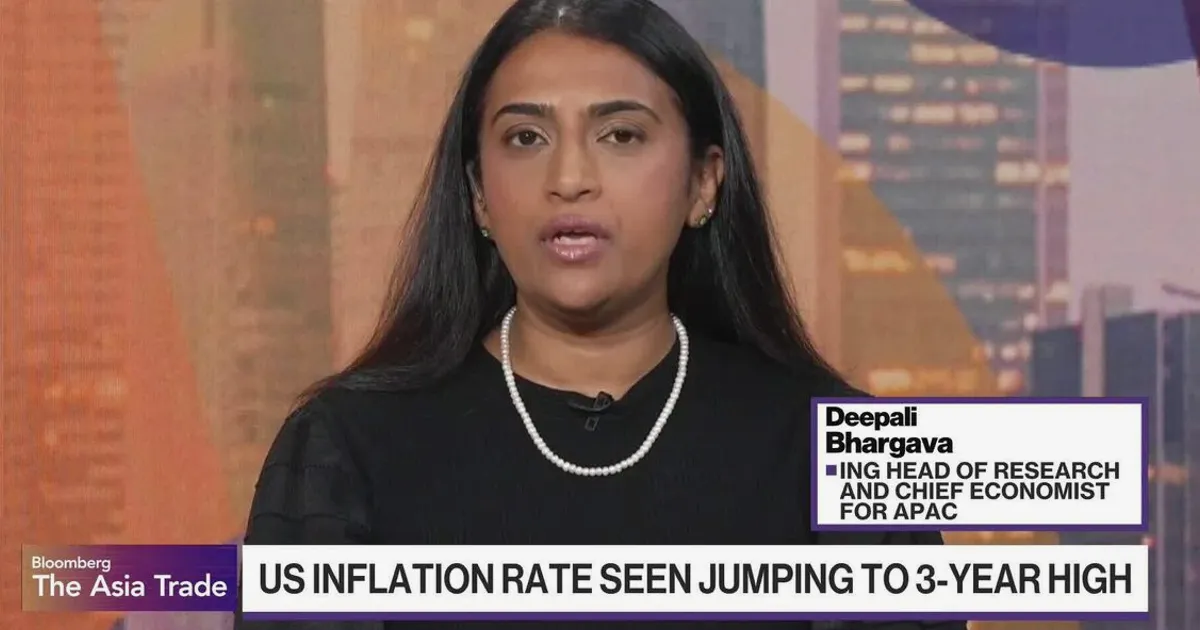
Inflation pressures across Asia are intensifying even as governments maintain fuel price caps to shield consumers, according to Deepali Bhargava, ING's Head of Research and Chief Economist for Asia-Pacific. Speaking on Bloomberg, she attributed the persistent price pressures to stronger-than-expected regional growth, partly fueled by a robust tech export sector, and a fragile geopolitical backdrop that includes a tenuous ceasefire and renewed Middle East tensions.
The divergence between administered fuel prices and broader inflation dynamics poses a challenge for central banks in the region. While fuel caps have temporarily suppressed headline inflation, core inflation—excluding food and energy—continues to rise, reflecting demand-side pressures from resilient economic activity. This complicates the policy outlook: keeping rates too low could allow inflation to become entrenched, while tightening prematurely might choke growth. For traders monitoring Asian fixed-income markets, this tension suggests that yield curves could steepen as term premiums rise, and central banks may need to signal a more hawkish stance to anchor expectations. NowPrice's real-time rates quotes show the latest moves in Asian government bond yields.
Looking ahead, the key question is whether fuel price caps will be extended or removed as geopolitical risks evolve. A sudden removal could unleash a spike in headline inflation, forcing central banks to act faster. Markets will also watch upcoming trade data and central bank meetings in the region for clues on how policymakers balance growth and inflation. The interplay between tech export cycles and domestic demand will remain a critical driver of Asia's inflation trajectory in the coming months.