




Australia manufacturing PMI slips to 50.7 in May, new orders hit 7-month low
Australia's manufacturing PMI fell to 50.7 in May, with new orders dropping at the fastest pace in seven months, signaling weakening demand.
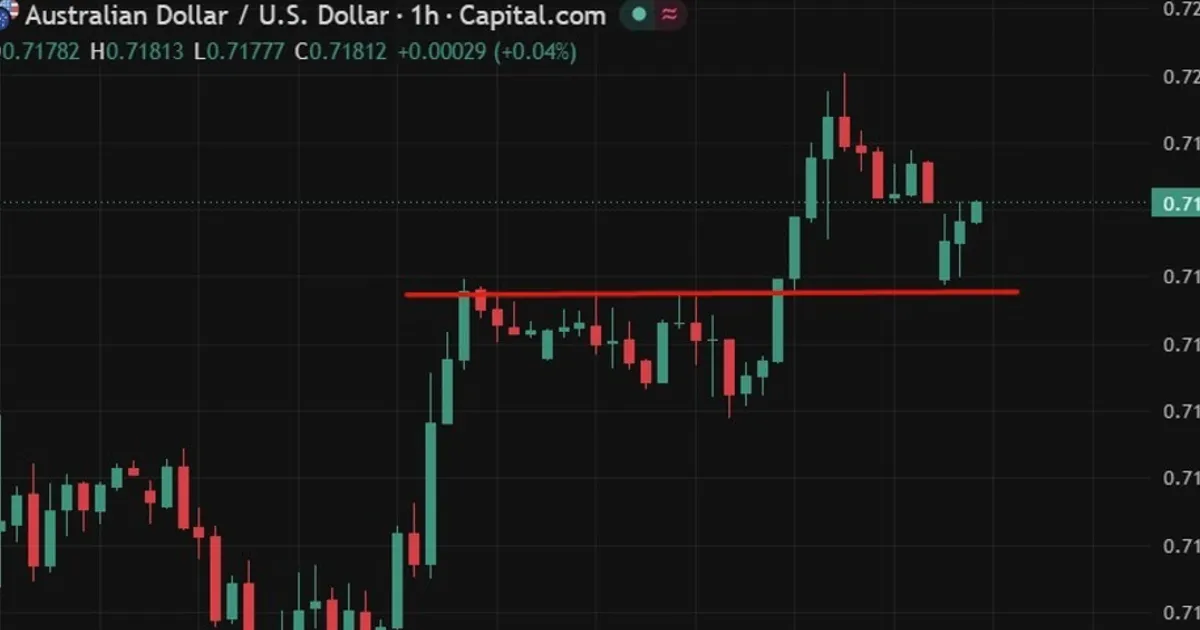
Australia's S&P Global Manufacturing PMI slipped to 50.7 in May from 51.3 in April, barely above the 50 threshold that separates expansion from contraction. The details of the survey, however, reveal a more troubled picture: new orders fell at the steepest pace since October, while selling price inflation hit a 45-month high.
The headline PMI was propped up by a sharp lengthening of supplier delivery times, an inverted component in the index calculation. Underlying demand weakness is evident as new orders contracted for the first time in seven months. Cost pressures escalated to multi-year highs, driven by ongoing geopolitical tensions in the Middle East. For interest rate traders, the combination of slowing growth and rising input costs presents a stagflationary signal. The Reserve Bank of Australia (RBA) faces a delicate balancing act: weakening demand argues for rate cuts, but persistent cost-push inflation argues for caution. Live rates and charts on NowPrice show how the Australian dollar and bond yields are reacting to the data.
Looking ahead, traders will focus on upcoming Australian GDP data and the RBA's next policy meeting. The PMI's new orders component is a leading indicator of future output, and its decline suggests further softening in manufacturing activity. If cost pressures persist, the RBA may hold rates steady for longer, keeping the yield curve under pressure. Any signs of a deeper downturn could reignite rate-cut expectations, weighing on the Australian dollar.