




China Cracks Down on High-Yield Offshore Debt Issuance
Chinese authorities are discouraging firms from issuing higher-yielding offshore debt to curb risks among municipal borrowers with over $100 billion in overseas bonds.
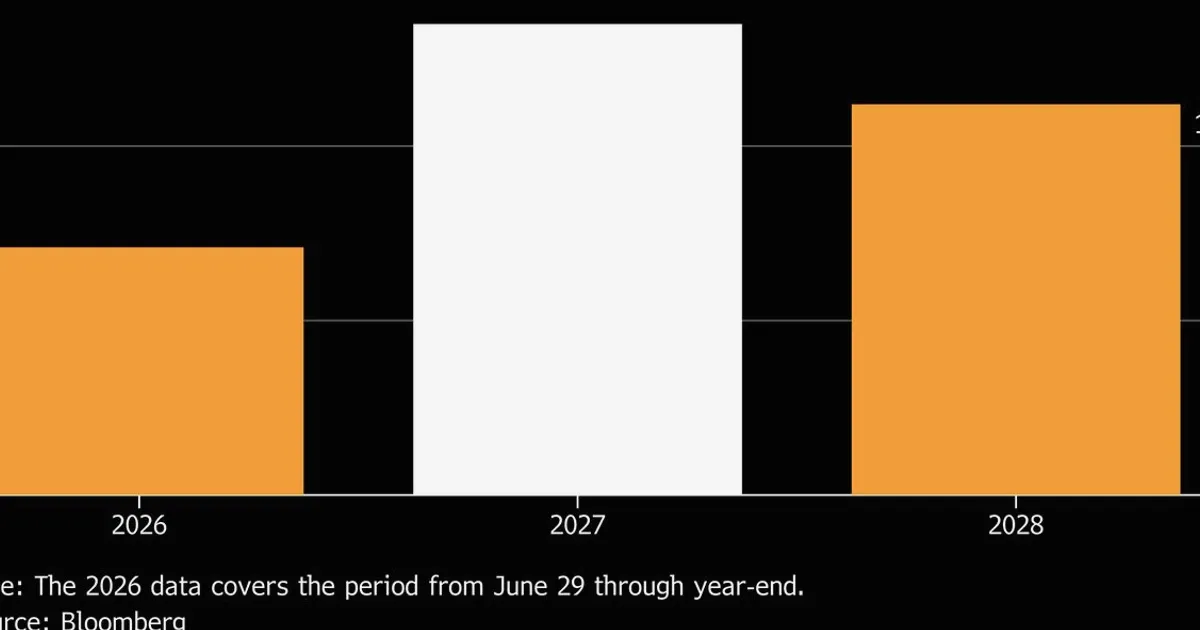
Chinese authorities are tightening restrictions on corporate issuance of higher-yielding offshore debt, according to people familiar with the matter. The move targets municipal borrowers that have accumulated over $100 billion in overseas bond debt, aiming to curb financial risks. This regulatory clampdown comes as Beijing seeks to manage capital outflows and reduce pressure on the yuan, which has been under depreciation pressure amid a widening interest rate differential between China and the US. The Federal Reserve's dual mandate of maximum employment and price stability has driven its aggressive rate hiking cycle, inverting the US yield curve—a classic recession signal—and compressing term premiums as investors demand less compensation for holding long-term bonds. In contrast, the People's Bank of China has maintained a relatively accommodative stance to support its slowing economy, widening the spread between onshore and offshore funding costs. By limiting access to higher-yielding offshore markets, Chinese firms may be forced to rely more on domestic funding, potentially affecting onshore credit spreads and liquidity conditions. This could also impact swap spreads and the balance sheets of Chinese banks, which might need to adjust their asset-liability management. For interest rate and central bank policy traders, this clampdown signals Beijing's intent to manage capital outflows and reduce pressure on the yuan. Traders can monitor these developments on NowPrice's live rates dashboard to track shifts in Chinese bond yields and currency markets. The European Central Bank's transmission protection instrument (TPI) serves as a contrasting example of how central banks can manage sovereign spreads, but China's approach is more direct regulatory intervention. Looking ahead, market participants will watch for further regulatory guidance and any impact on Chinese corporate bond issuance volumes. The effectiveness of these measures in containing municipal debt risks will be a key factor for emerging market debt investors and those exposed to Chinese credit. Additionally, the interplay between China's capital controls and global rate dynamics—such as the Fed's balance sheet runoff and the term premium decomposition—will shape cross-border capital flows. Investors should also monitor the potential for yield-curve normalization if China's economy stabilizes and the Fed pivots, which could alter the attractiveness of offshore Chinese debt.