




Chinese Asset Managers Review Bond Holdings Amid Rating Scrutiny
Chinese asset managers are reviewing bond portfolios to identify issuers at risk of downgrade after regulators tightened oversight of AAA rating concentration.
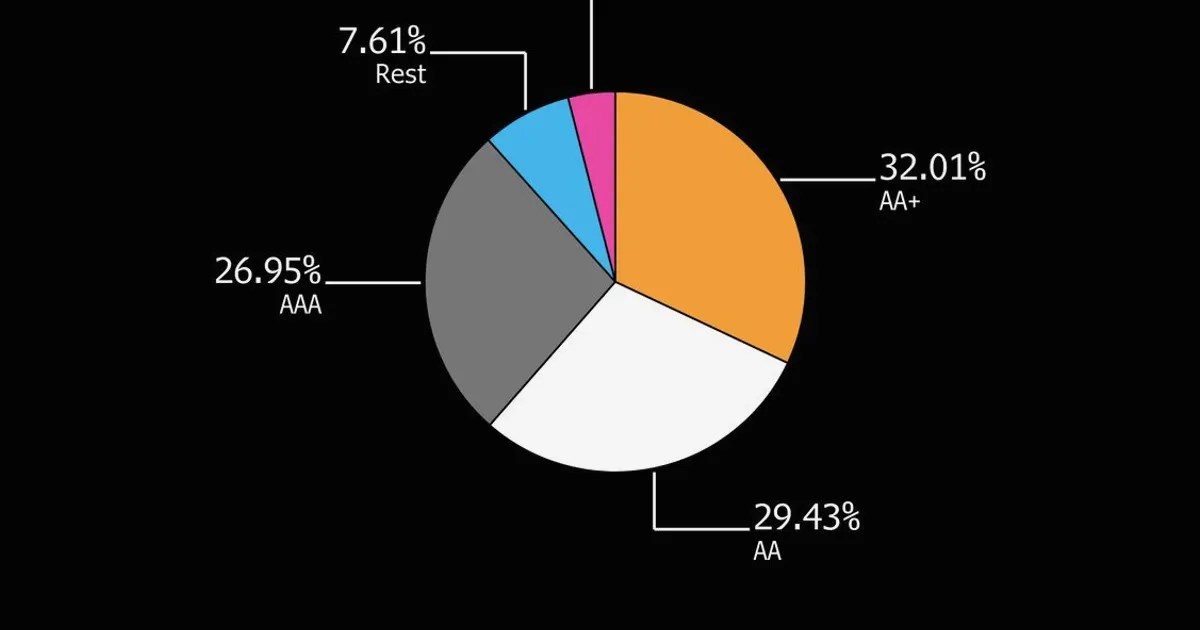
Chinese asset managers are reviewing their bond holdings to identify issuers at risk of rating downgrades after regulators stepped up efforts to curb the over-concentration of AAA ratings, according to people familiar with the matter. The review comes as Chinese regulators intensify scrutiny of the credit rating industry, which has long been criticized for inflating ratings. The crackdown aims to reduce the dominance of AAA-rated bonds in the market, which account for a significant portion of corporate debt. Asset managers are now reassessing their portfolios to mitigate potential losses from downgrades that could trigger forced selling or margin calls. For traders monitoring interest rate differentials and credit spreads, this shift could lead to increased volatility in Chinese bond markets and affect yield curves. The People's Bank of China's balance sheet operations and liquidity management also play a role, as any forced selling could tighten funding conditions, impacting swap spreads and the broader term-premium decomposition. Check NowPrice's rates page for the latest on Chinese government bond yields and credit spreads.
This development matters because it highlights a structural shift in China's credit market, where the dominance of AAA ratings has long masked underlying risks. The regulatory push aligns with global trends in rating agency oversight, but it carries unique implications for China's financial system. A wave of downgrades could trigger a repricing of risk across corporate bonds, widening credit spreads and steepening yield curves. For global investors, this introduces a new layer of uncertainty in a market that is increasingly integrated into global portfolios. The Fed's dual mandate and yield-curve inversion dynamics in the US also influence capital flows, as higher US rates could exacerbate outflows from Chinese bonds if credit risk rises. The European Central Bank's transmission protection mechanism (TPI) similarly affects global risk appetite, making Chinese bond market developments a key factor for cross-border investors.
Looking ahead, market participants will watch for further regulatory actions and any actual rating downgrades. The outcome of this review could reshape the landscape of China's bond market, influencing both local and global investors' strategies. Key data releases to monitor include upcoming corporate earnings and economic indicators that might affect creditworthiness. Additionally, the PBOC's policy stance and any adjustments to reserve requirements or interest rates will be critical in determining how smoothly the market adjusts. A disorderly downgrade cycle could lead to systemic stress, while a gradual recalibration might enhance market efficiency. Investors should also track swap spreads and term-premium measures to gauge the impact on hedging costs and long-term yield expectations.