




ECB’s Lane Warns Inflation May Stay Above 2% for Extended Period
ECB Chief Economist Philip Lane warned that inflation risks staying above the 2% target for an extended period, reinforcing expectations of a cautious approach to rate cuts.
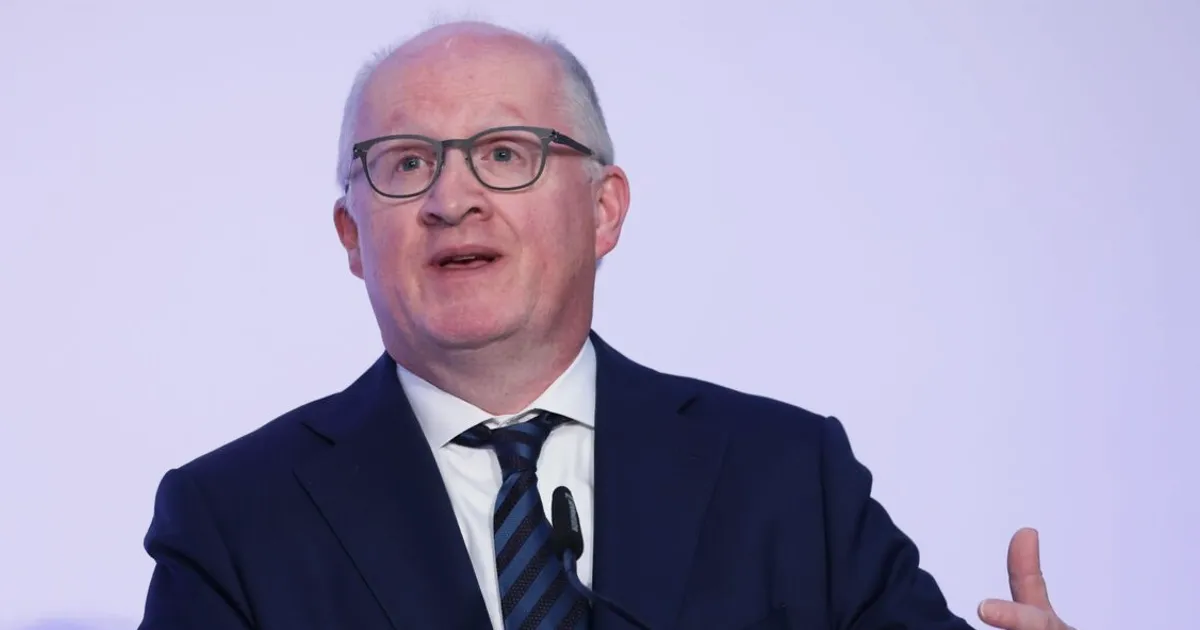
European Central Bank Chief Economist Philip Lane warned that inflation may stay above the 2% target for an extended period, signaling that the central bank will maintain a cautious stance on monetary easing. Lane’s remarks underscore the ECB’s focus on its primary mandate of price stability, which requires inflation to be sustainably at 2% over the medium term. Unlike the Fed’s dual mandate, which also includes maximum employment, the ECB’s single mandate allows it to prioritize inflation control even if growth weakens. Lane specifically cited persistent wage growth and sticky services inflation as key drivers keeping price pressures elevated. This suggests that the ECB’s transmission protection instrument (TPI), designed to prevent unwarranted bond market fragmentation, may remain on standby as the central bank keeps rates high.
For rates traders, Lane’s comments reinforce the view that the ECB will be slow to cut interest rates, keeping the deposit rate at elevated levels for longer. The yield curve may steepen as long-term bond yields adjust to a higher-for-longer rate environment, while short-term rates remain anchored by the ECB’s policy stance. This dynamic reflects a decompression of term premiums, where investors demand higher compensation for holding longer-dated bonds amid uncertainty about future rate paths. Additionally, the ECB’s ongoing balance-sheet reduction—through the gradual unwinding of pandemic-era asset purchases—adds upward pressure on long-term yields by reducing the central bank’s footprint in the bond market. Swap spreads in euro zone markets could widen as hedging costs rise, reflecting increased demand for fixed-rate exposure. Traders can check NowPrice's rates page for real-time pricing on euro zone government bonds and rate futures.
Looking ahead, markets will focus on upcoming euro zone inflation data and the ECB's quarterly projections. Any upside surprise in inflation could further delay rate cuts, while a sharp economic slowdown might force the ECB to reconsider. The key question remains whether the ECB can achieve a soft landing without triggering a recession. A yield-curve inversion—where short-term rates exceed long-term rates—would signal heightened recession risk, but the current steepening suggests markets are pricing in a more gradual normalization. The ECB’s forward guidance will be crucial: if it signals a prolonged pause, long-term yields may rise further, compressing risk premiums in peripheral bonds. Conversely, any hint of easing could trigger a rally in rate futures. Ultimately, the path of inflation and growth will determine whether the ECB can navigate this delicate balancing act.