




Euro Hits August Low as Lagarde’s Dovish Tone Diverges From Fed
The euro fell to its lowest since August after weak eurozone data and dovish ECB comments, widening the policy divergence with the Federal Reserve.
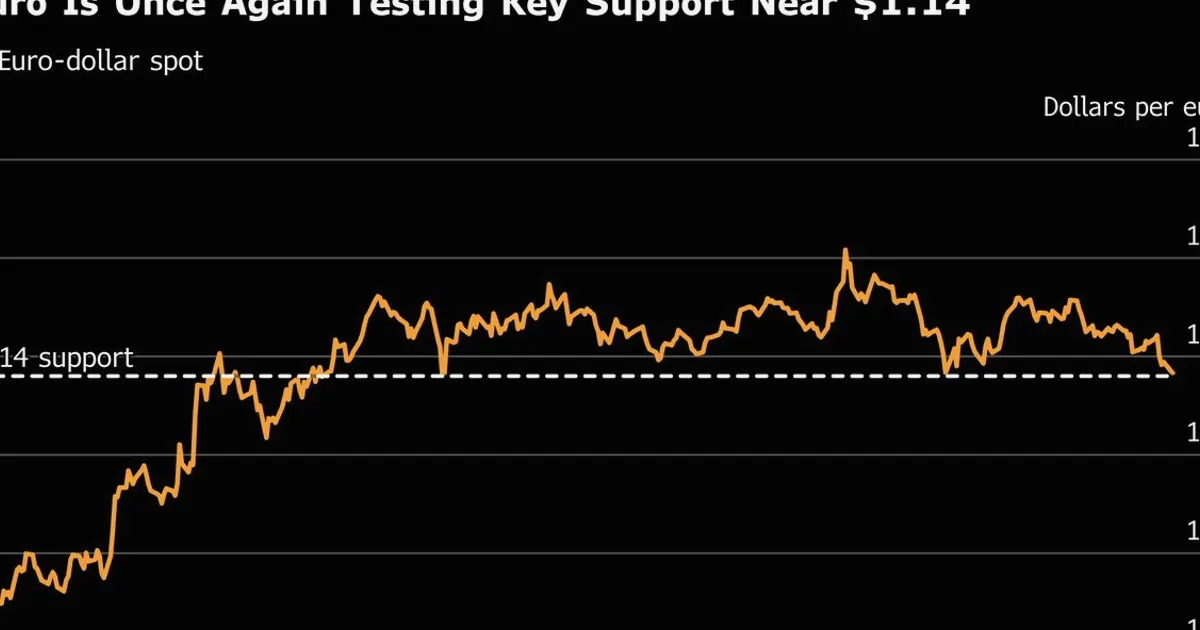
The euro dropped to its lowest level since August on Tuesday after weak economic data and dovish remarks from European Central Bank President Christine Lagarde prompted traders to reduce bets on further rate hikes.
The single currency fell below $1.07 for the first time in ten months, as Lagarde signaled that the ECB may pause its tightening cycle sooner than expected. The comments contrasted with the Federal Reserve's hawkish stance, where Chair Jerome Powell has emphasized the need for further rate increases to curb inflation. This divergence reflects the differing mandates of the two central banks: the Fed operates under a dual mandate of maximum employment and price stability, while the ECB's primary objective is price stability. The widening policy divergence has weighed on the euro, with traders now pricing in a lower terminal rate for the ECB compared to the Fed. In the bond market, this has contributed to a steepening of the yield curve in the eurozone, as short-term rates fall relative to long-term rates, while in the US, the yield curve remains inverted—a classic recession signal. The term premium, which compensates investors for holding long-term bonds, has also widened, reflecting increased uncertainty about the economic outlook. Additionally, the ECB's balance sheet reduction, through the gradual unwinding of pandemic-era asset purchases, has added to the pressure on peripheral bond spreads, though the Transmission Protection Instrument (TPI) remains a backstop against disorderly market moves. For real-time rates on major currency pairs, check NowPrice's live quotes.
Looking ahead, traders will focus on upcoming eurozone inflation data and the Fed's preferred inflation gauge, the core PCE index, due later this week. Any further signs of economic weakness in the eurozone could reinforce the ECB's dovish tilt, while stronger US data may push the dollar higher. The euro's next support level is around $1.05, a key psychological threshold not seen since early 2023. Market participants will also watch for any shifts in swap spreads, which measure the cost of exchanging fixed for floating interest rates, as they can signal stress in the banking system. A widening of swap spreads in the eurozone could indicate that the ECB's rate path is diverging from market expectations, adding to currency volatility.