




Germany June final manufacturing PMI rises to 50.3, beating 50.0 prelim
Germany's final manufacturing PMI for June came in at 50.3, above the preliminary 50.0, signaling a modest expansion in the sector with rising new orders and easing price pressures.
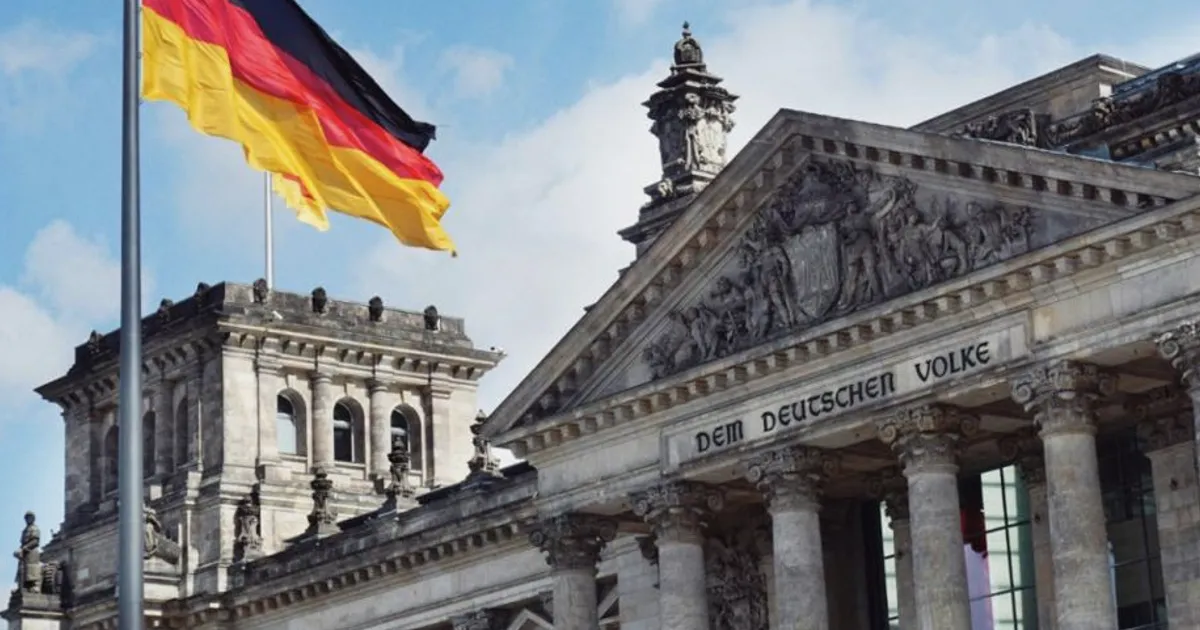
Germany's manufacturing sector ended the second quarter on a slightly firmer footing, as the final June manufacturing PMI printed at 50.3, beating the preliminary reading of 50.0. The data, compiled by S&P Global, indicates a modest expansion in factory activity, driven by a marginal rise in new orders and a slowdown in price pressures. The PMI's rise above the 50.0 threshold, which separates expansion from contraction, marks a tentative improvement after months of stagnation. However, the expansion was narrow, with output supported primarily by a drawdown in backlogs of work rather than robust new demand. Input cost inflation eased to its lowest in over three years, reflecting lower energy and raw material prices, which helped stabilize margins for producers.
For interest rate traders, the PMI reading offers a nuanced signal. While the headline number points to stabilization, the reliance on backlogged orders to support output suggests underlying demand remains fragile. The easing of price pressures, however, could reinforce the European Central Bank's cautious stance on further rate hikes, as inflation concerns moderate. The ECB's dual mandate of price stability and growth support is now more balanced, with the PMI data indicating that the transmission of tighter monetary policy is cooling demand without triggering a sharp downturn. Traders tracking European rate expectations can monitor live market reactions on NowPrice's rates dashboard. The yield curve for German bunds has flattened recently, with the 2-year to 10-year spread narrowing, reflecting market expectations that the ECB may pause its hiking cycle. The term premium, which compensates investors for holding longer-dated bonds, has declined as inflation expectations anchor, while swap spreads remain tight, signaling ample liquidity in the rates market.
Looking ahead, market participants will focus on upcoming eurozone-wide PMI data and German industrial production figures for further confirmation of the trend. The ECB's July meeting will also be in focus, with any shift in the growth outlook potentially influencing the pace of monetary tightening. The final PMI reading, while positive, underscores the uneven recovery in the region's largest economy. A sustained improvement would require a pickup in new export orders, which remain subdued due to weak global demand. The ECB's transmission protection instrument (TPI) remains on standby to counter any unwarranted fragmentation in bond markets, but the current data suggests limited risk of stress. Traders will also watch for any changes in the ECB's forward guidance, as a more dovish tone could weigh on the euro and further steepen the yield curve.