




Ghana Central Bank Head Sees Scope for Rate Cuts After Iran War
Bank of Ghana Governor Johnson Asiama signaled that policymakers could resume cutting interest rates once the Iran war ends, playing down the cedi's weakness this year.
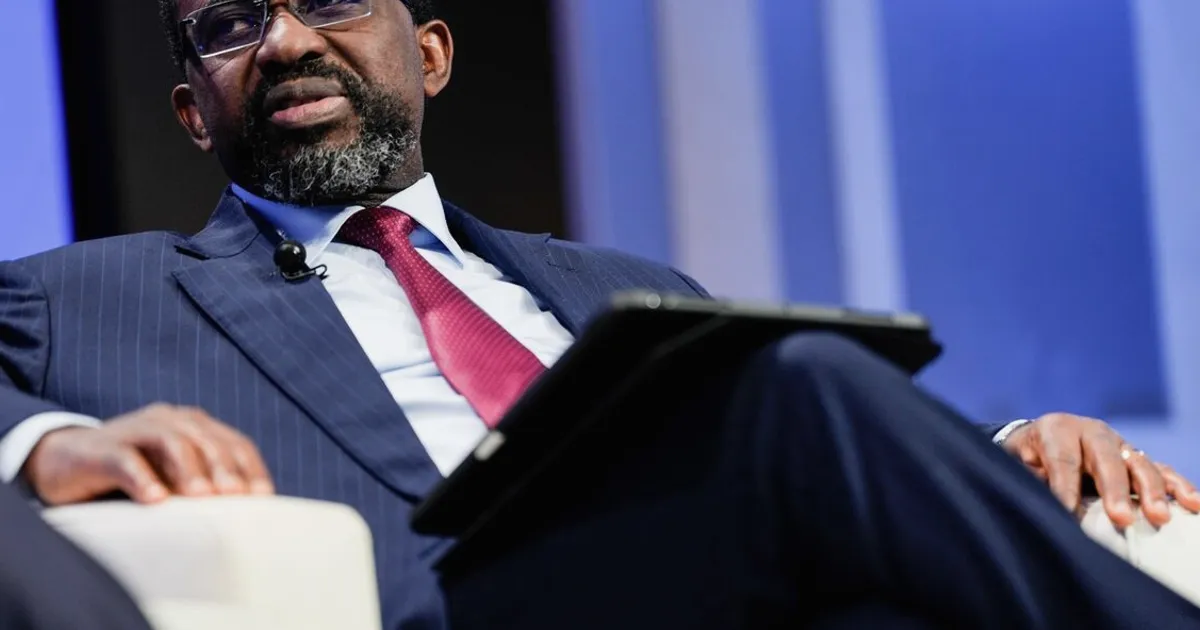
Bank of Ghana Governor Johnson Asiama said the central bank sees room to cut interest rates once the Iran war concludes, downplaying the cedi's depreciation this year. Asiama acknowledged the cedi's weakness but argued it does not pose a major threat to inflation, suggesting the bank's tightening cycle may have peaked. The comments come as Ghana grapples with high inflation and a debt restructuring program. For rates traders, the key takeaway is the conditional dovish pivot: if geopolitical tensions ease, the Bank of Ghana could resume an easing cycle, which would weigh on the cedi and potentially widen the yield spread versus US Treasuries. Check NowPrice's rates page for current Ghanaian bond yields and cedi pricing.
This conditional outlook reflects the central bank's balancing act under its dual mandate of price stability and economic growth, similar to how the Federal Reserve weighs inflation against employment. In Ghana's case, the inflation target is paramount, but the bank also considers the output gap. The yield curve in Ghana has steepened recently, with long-term bonds offering higher yields to compensate for inflation and currency risk. A rate cut would likely flatten the curve if the market views it as a one-off adjustment, but if it signals a sustained easing cycle, the curve could steepen further as inflation expectations rise. The term premium—the extra yield investors demand for holding long-term bonds—could increase if the central bank's credibility is questioned. Additionally, the Bank of Ghana's balance sheet, which includes holdings of government debt, would be affected by rate changes: lower rates reduce the cost of servicing debt but may weaken the cedi, increasing the burden of foreign-currency debt. Swap spreads in the Ghanaian market, though less liquid than in developed markets, could widen if hedging costs rise due to currency volatility. The European Central Bank's Transmission Protection Instrument (TPI) offers a contrast: while the ECB can intervene to prevent unwarranted spread widening, Ghana lacks such a backstop, making it more vulnerable to external shocks.
Looking ahead, traders will monitor the evolution of the Iran conflict and its impact on global commodity prices, especially oil, which affects Ghana's import bill. The next MPC meeting will be crucial for any policy shift. Also watch for IMF program reviews, as they influence Ghana's fiscal credibility and access to external financing. A successful review could lower Ghana's risk premium, while a delay might trigger capital outflows. The interplay between domestic monetary policy and external factors will determine whether the cedi stabilizes or continues its slide.