




India Banks Cut Short-Term Debt on Cheaper Forex Funding
Indian lenders are reducing short-term debt issuance as the Reserve Bank of India's forex deposit scheme offers cheaper funding, potentially tightening liquidity in the short-term debt market.
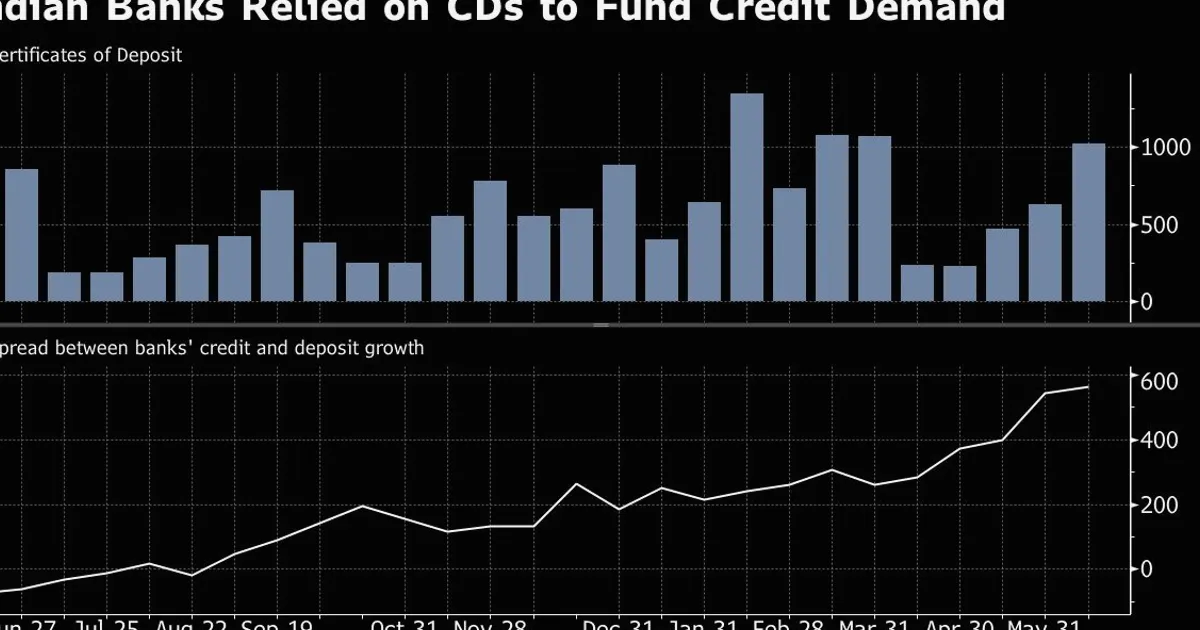
Indian banks are scaling back their short-term debt sales as a recent Reserve Bank of India (RBI) initiative to attract foreign-currency deposits provides a cheaper and more stable funding alternative. The shift away from certificates of deposit and commercial paper issuance reflects lenders' preference for the new forex deposit scheme, which offers lower costs and longer tenors compared to traditional short-term debt instruments.
For interest rate traders, this development has direct implications for short-term money market liquidity and pricing. Reduced supply of short-term debt could push yields lower in that segment, while the increased reliance on forex funding introduces sensitivity to currency swap markets. The RBI's move is part of a broader effort to bolster India's foreign exchange reserves and stabilize the rupee, but it also alters the funding dynamics for banks. Traders monitoring NowPrice's live rates and yield curves can track how the market prices short-term debt relative to the RBI's policy repo rate and the overnight indexed swap (OIS) curve.
Looking ahead, market participants will watch the pace of banks' participation in the forex deposit scheme and any adjustments to its terms. The RBI's next monetary policy meeting will be key for assessing the broader rate outlook, especially if the shift in bank funding costs influences the transmission of policy rates. Traders should also monitor the spread between short-term debt yields and the repo rate, as well as any signs of liquidity tightening in the banking system that could prompt the RBI to conduct open market operations.