




Japanese Banks Boost Hybrid Bond Issuance to Meet Capital Rules
Japan's major banks are on track for their busiest fiscal year in over a decade for issuing hybrid bonds, a move that bolsters regulatory capital and may influence global yield dynamics.
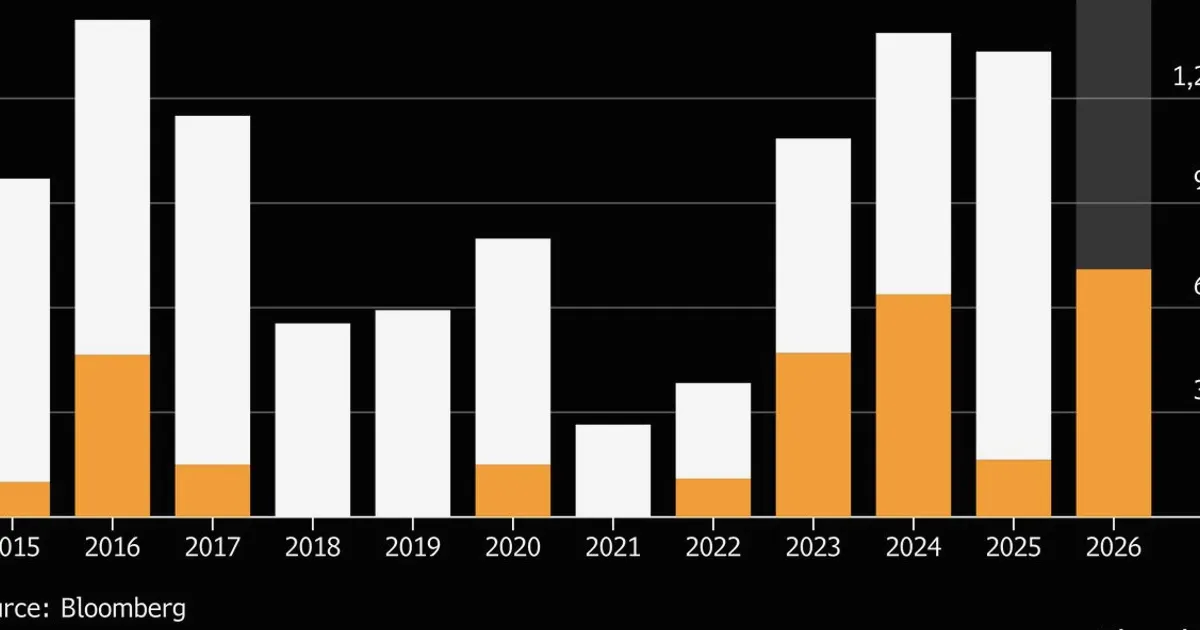
Japan's major banks are set for their busiest fiscal year in over a decade for issuing hybrid bonds, a special category of debt that counts toward regulatory capital requirements. The surge in issuance reflects the banks' need to meet stricter capital adequacy rules under Basel III, while taking advantage of favorable market conditions in the yen bond market.
For interest rate traders, the wave of hybrid bond supply from Japanese banks carries implications for yield curves and credit spreads. Hybrid bonds, typically structured as subordinated debt with equity-like features, offer higher yields than senior debt, attracting domestic and international investors seeking carry. As Japanese banks increase issuance, the added supply could put upward pressure on hybrid bond yields, potentially spilling over into broader corporate bond spreads. Moreover, the Bank of Japan's gradual normalization of monetary policy adds another layer of complexity: as the BOJ reduces its bond purchases, the private sector must absorb more supply, which could lift long-term yields. NowPrice live rates and charts show how the yen bond market is reacting to these supply dynamics.
Looking ahead, traders should monitor the pace of hybrid bond issuance relative to investor demand, particularly from domestic life insurers and pension funds, which are natural buyers of such instruments. Any signs of indigestion could widen credit spreads and impact the pricing of new issues. Additionally, the BOJ's policy stance remains a key variable; if the central bank signals further rate hikes, it could dampen demand for longer-dated hybrid bonds. The interplay between regulatory capital needs and monetary policy will be a defining theme for Japanese fixed-income markets in the coming quarters.