




Kevin Warsh faces Fed trap where rate cuts become impossible
Kevin Warsh's potential Fed chairmanship comes at a time when persistent inflation and fiscal constraints may prevent rate cuts, creating a policy trap for the new leader.
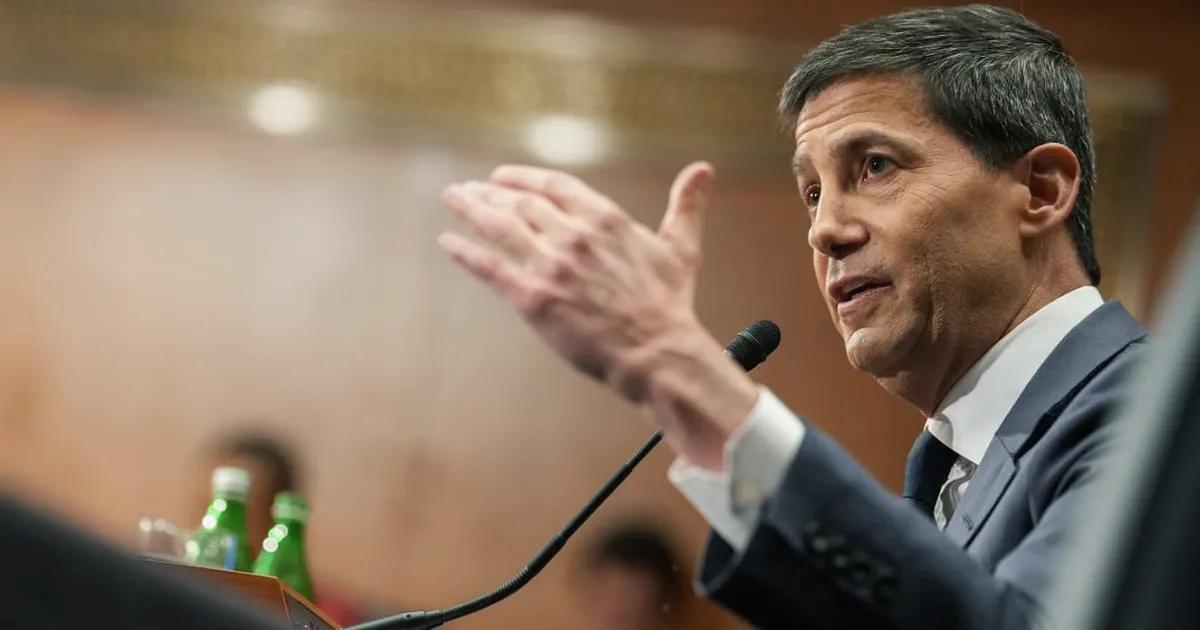
Kevin Warsh is poised to become Federal Reserve chair at a critical juncture for the U.S. economy, but the macroeconomic landscape may force him to abandon the disruptive stance he once championed. Persistent inflation, a tight labor market, and elevated fiscal deficits are converging to limit the Fed's ability to ease monetary policy, even as growth slows. This creates a policy trap where rate cuts become politically and economically untenable, leaving Warsh with little room to maneuver.
The core of the dilemma lies in the Fed's dual mandate—price stability and maximum employment—which is currently pulling in opposite directions. Inflation remains above the 2% target, driven by sticky services prices and wage pressures, while the labor market shows signs of cooling but not collapsing. Meanwhile, the federal deficit continues to widen, pushing up term premiums on long-term Treasury yields. This fiscal dominance dynamic reduces the effectiveness of rate cuts, as markets price in higher future supply of government debt. For rates traders, the implication is clear: the yield curve may stay inverted longer than expected, and any pivot to easing could be delayed or muted. NowPrice's real-time rates quotes show the 10-year Treasury yield hovering near recent highs, reflecting these crosscurrents.
Looking ahead, the key data points to watch are the upcoming CPI and PCE inflation readings, as well as the monthly employment reports. If inflation proves stickier than anticipated, Warsh may have to prioritize price stability over growth, keeping rates higher for longer. Additionally, the Treasury's quarterly refunding announcement will signal the pace of debt issuance, which could further influence long-end yields. Traders should also monitor Fed communication for any shift in the reaction function under Warsh's leadership. The risk is that the Fed remains trapped between inflation and fiscal constraints, unable to cut rates even as the economy decelerates.