




PGIM Flips Fed View, Sees Three Rate Hikes This Year
PGIM, a major US asset manager, now expects the Federal Reserve to deliver three rate hikes this year followed by reversals in 2027, a hawkish outlier that could pressure short-dated Treasuries.
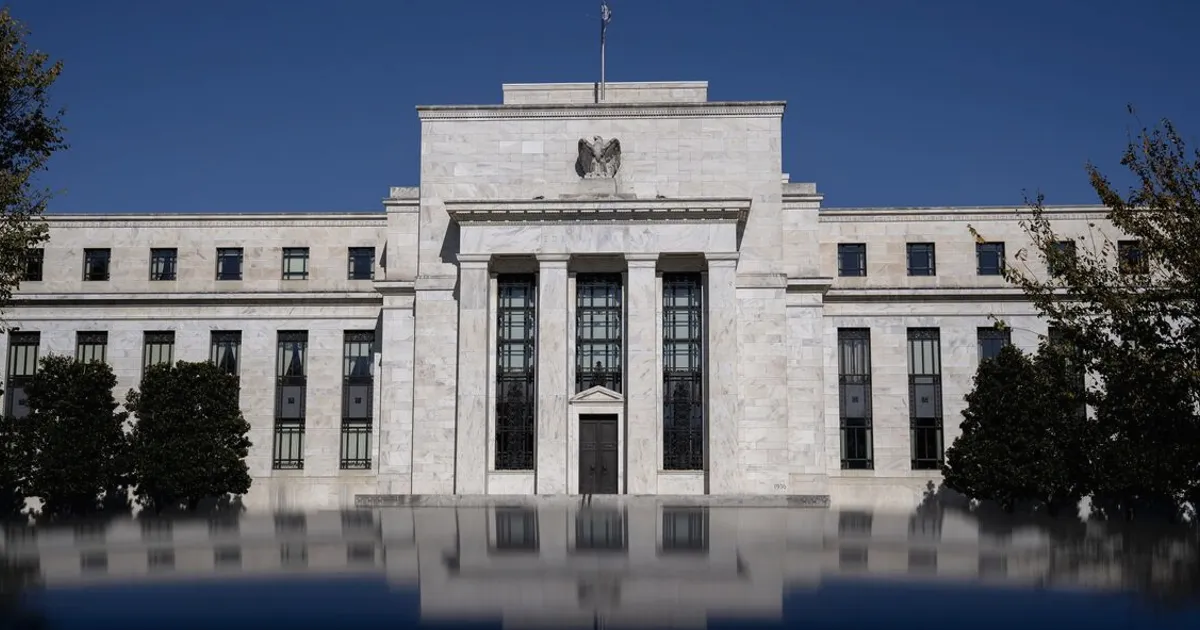
PGIM, a major US asset manager, has flipped its Federal Reserve outlook and now expects three rate hikes this year, followed by reversals in 2027. This puts PGIM on the hawkish fringe of Wall Street consensus, which largely anticipates the Fed will hold rates steady or cut later this year. The shift is notable because PGIM manages over $1 trillion in assets, and its view contrasts with market pricing that implies only a small chance of any hike in 2025.
The shift matters for interest rate traders because it implies a steeper short-end yield curve if the market begins to price in PGIM's view. Three hikes would tighten financial conditions, raising the cost of short-term borrowing and potentially slowing economic activity. On NowPrice, live rates and charts show how Treasury yields are reacting to shifting Fed expectations. The key mechanism here is the Fed's dual mandate: if inflation proves stickier than expected, the central bank may need to act despite a softening labor market. Additionally, the term-premium decomposition suggests that long-term yields could rise if investors demand higher compensation for inflation risk, while the yield-curve inversion may persist as short rates climb. The Fed's balance-sheet runoff also adds to tightening, and swap spreads could widen as hedging costs adjust. In Europe, the ECB's transmission protection instrument might be tested if US rate hikes spill over into global markets.
Traders should watch upcoming CPI and PCE data releases for signs of persistent inflation. Also key are Fed speakers' comments, particularly any hawkish lean that aligns with PGIM's view. The 2-year Treasury yield will be the most sensitive to this narrative, as it directly reflects rate hike expectations. If PGIM's view gains traction, expect further flattening of the yield curve as short rates rise relative to long rates. However, a counterargument is that the market may remain skeptical unless inflation data surprises to the upside, given the Fed's recent dovish tone.