




Risks in Focus After US Stocks’ Wild Start to 2026
Investors are reassessing risks from AI disruption to rising interest rates and US elections after a volatile start to 2026 for US equities, with implications for rate-sensitive sectors and bond markets.
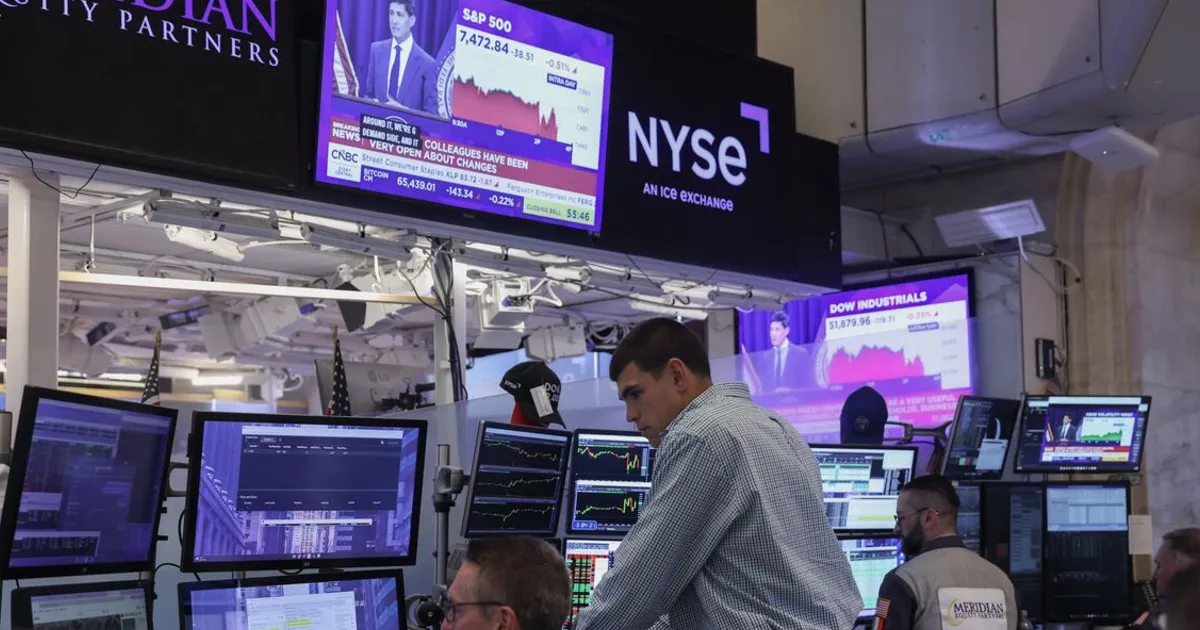
Investors are refocusing on a cluster of risks after US equities experienced a volatile start to 2026, with concerns ranging from artificial intelligence disruption to rising interest rates and the upcoming US elections.
The first half of 2026 has seen sharp swings in US stock markets, driven by uncertainty over the pace of AI adoption and its impact on corporate profits, as well as shifting expectations for Federal Reserve policy. The Fed has maintained a cautious stance, with inflation still above target and the labor market remaining tight, leading to speculation about further rate hikes. This environment has pressured rate-sensitive sectors such as technology and real estate, while bond yields have risen, reflecting higher term premiums. For traders, the interplay between equity volatility and rate expectations is critical: a sustained equity selloff could prompt a flight to quality, pushing Treasury yields lower, while resilient stocks might allow the Fed to keep rates higher for longer. NowPrice's real-time rates quotes provide up-to-the-minute levels for US Treasuries and key interbank rates, helping traders navigate these cross-asset dynamics.
Looking ahead, the focus will be on upcoming inflation data, particularly the core PCE index, and any signals from Fed officials regarding the rate path. The US election cycle adds another layer of uncertainty, with potential shifts in fiscal policy and regulation. Traders should monitor the 2-year/10-year yield curve for recession signals and watch for any sudden moves in swap spreads that could indicate stress in the financial system. The combination of AI disruption, rate uncertainty, and political risk suggests that volatility is likely to persist, making active risk management essential.